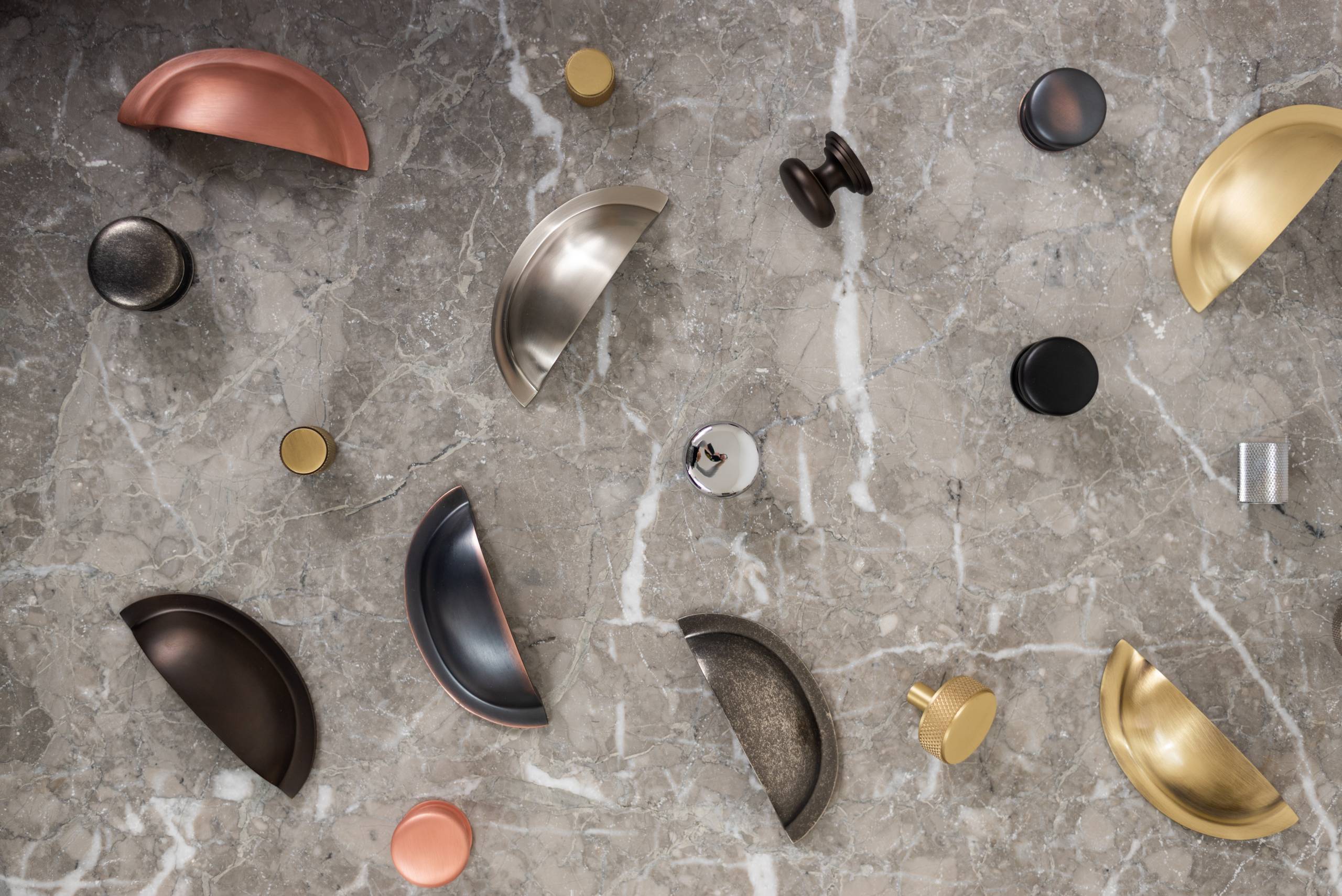
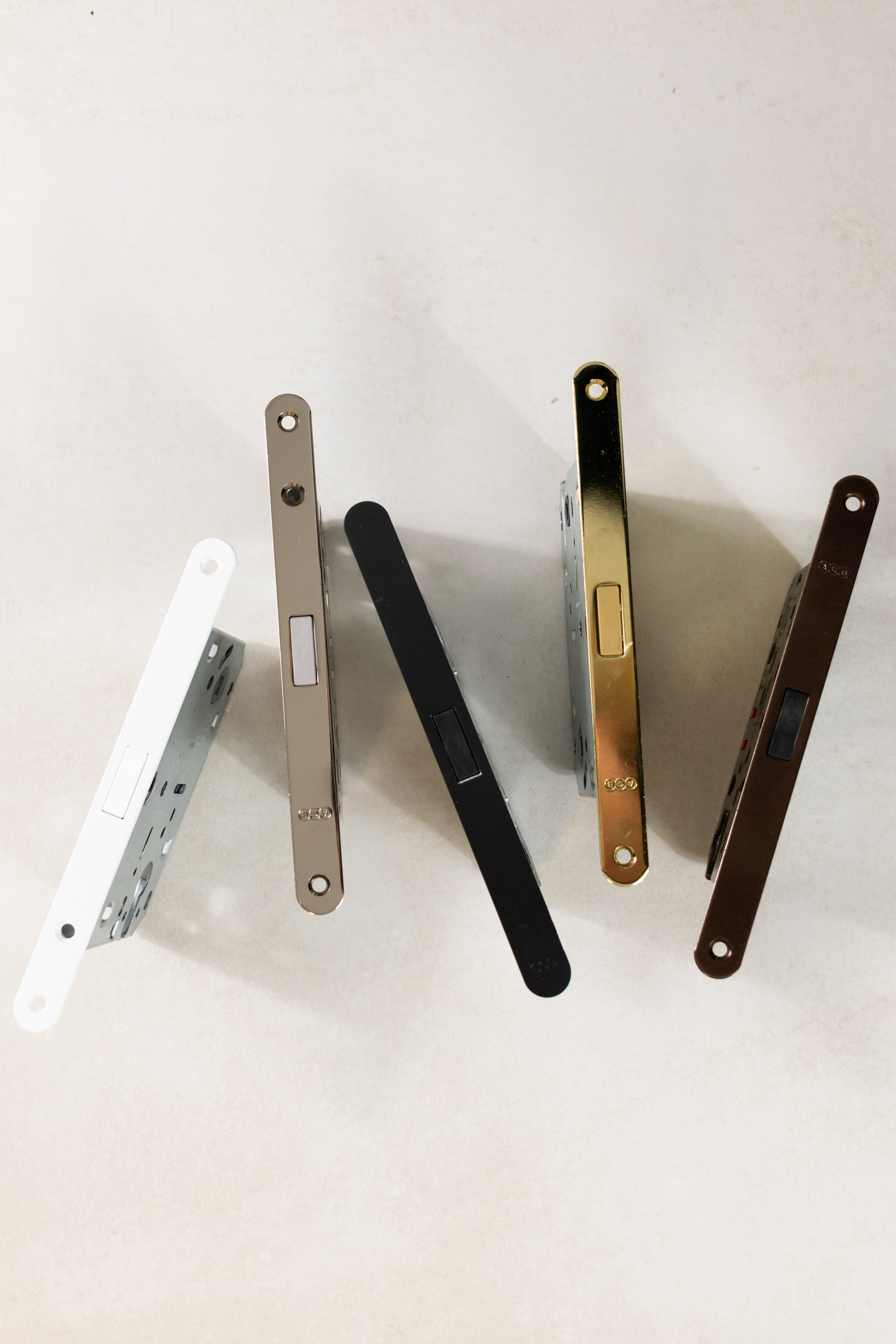
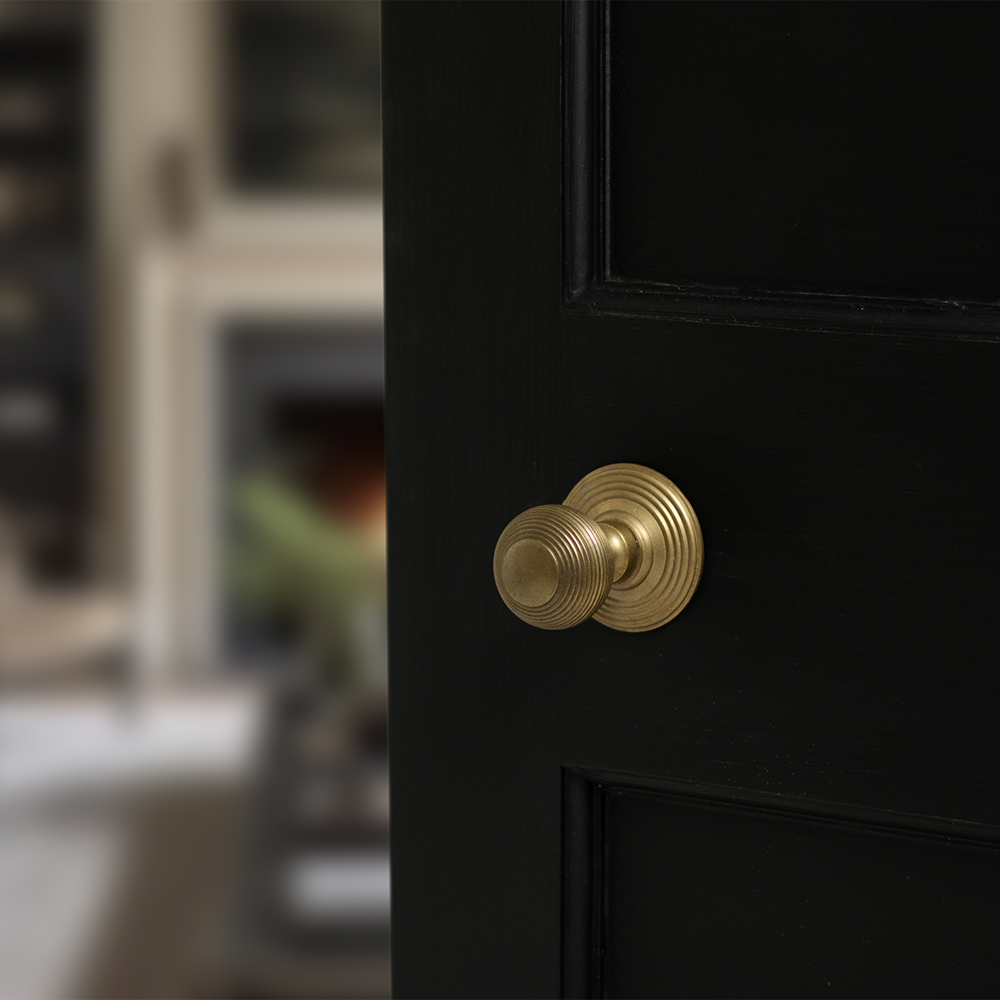
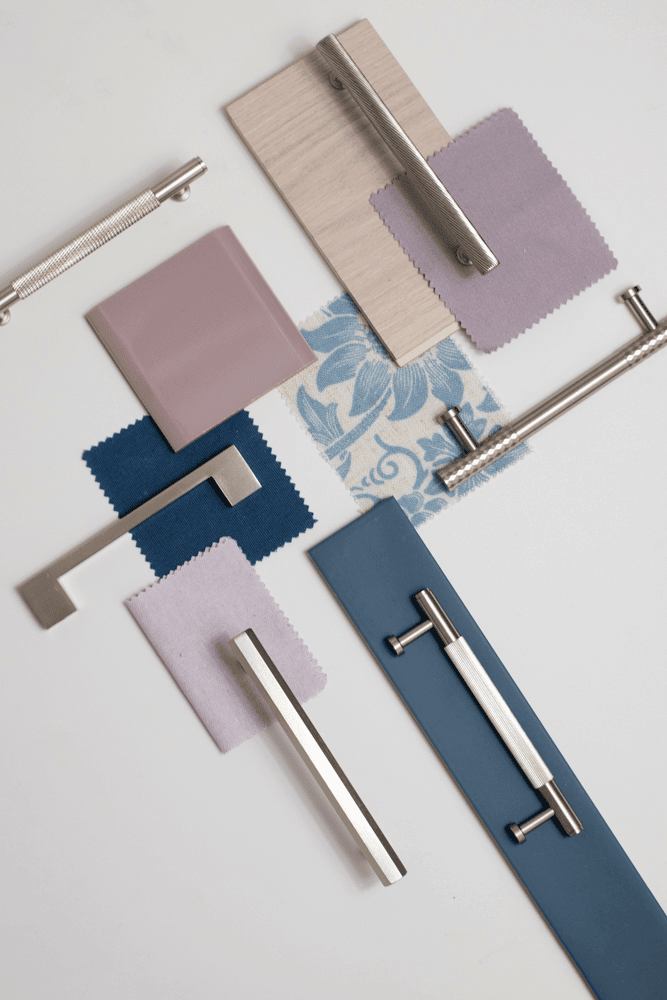
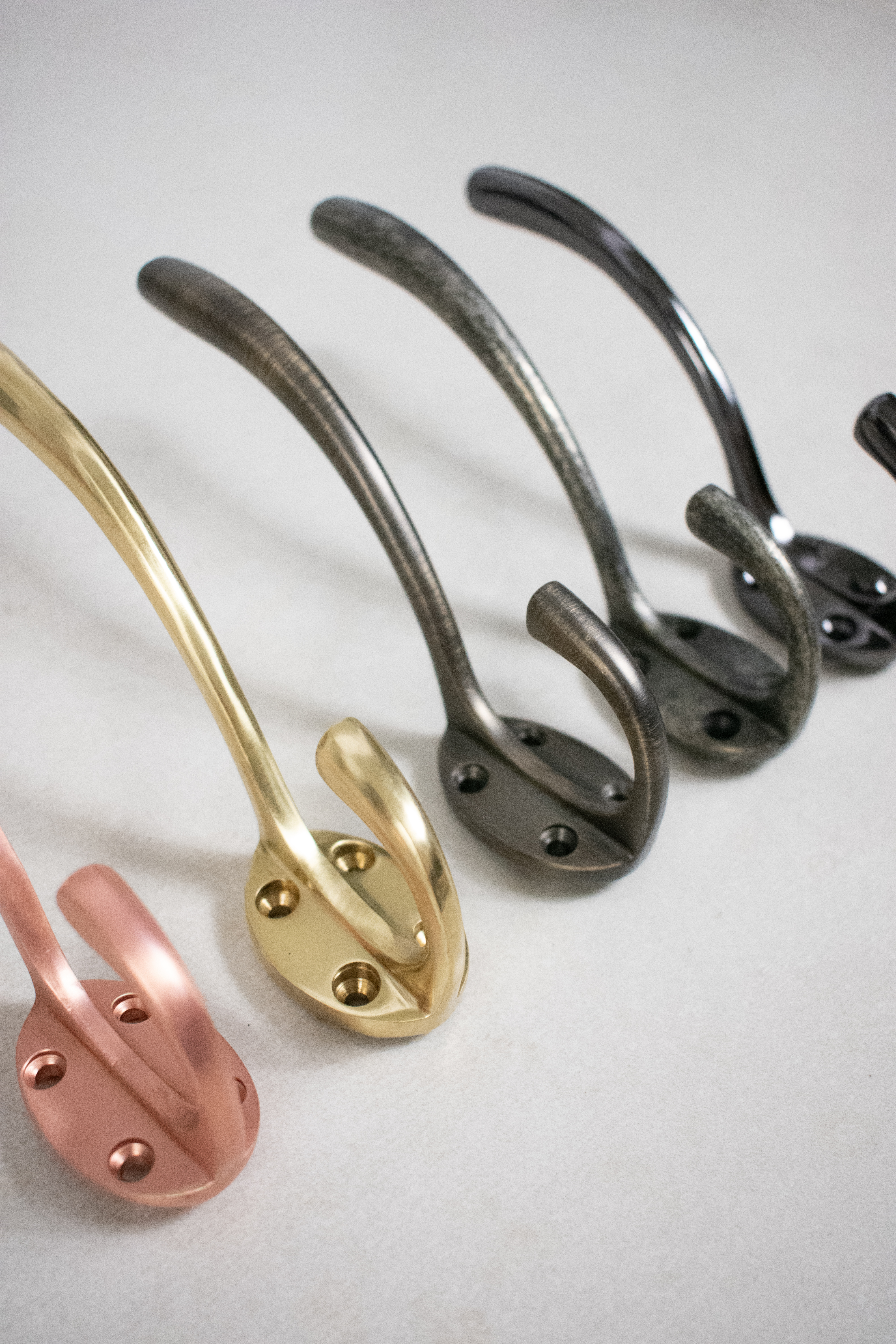
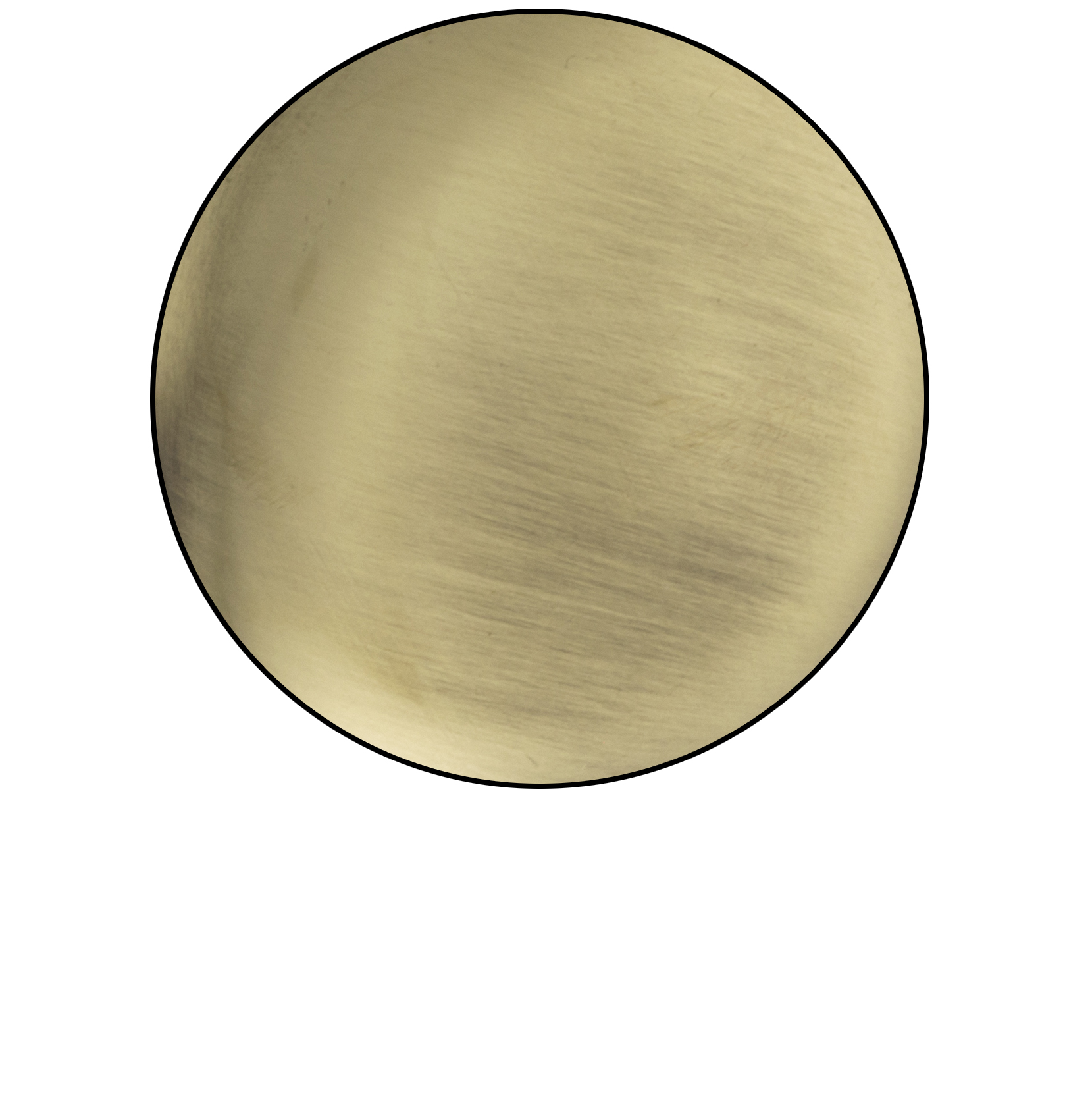
 Antique Brass (AB)
 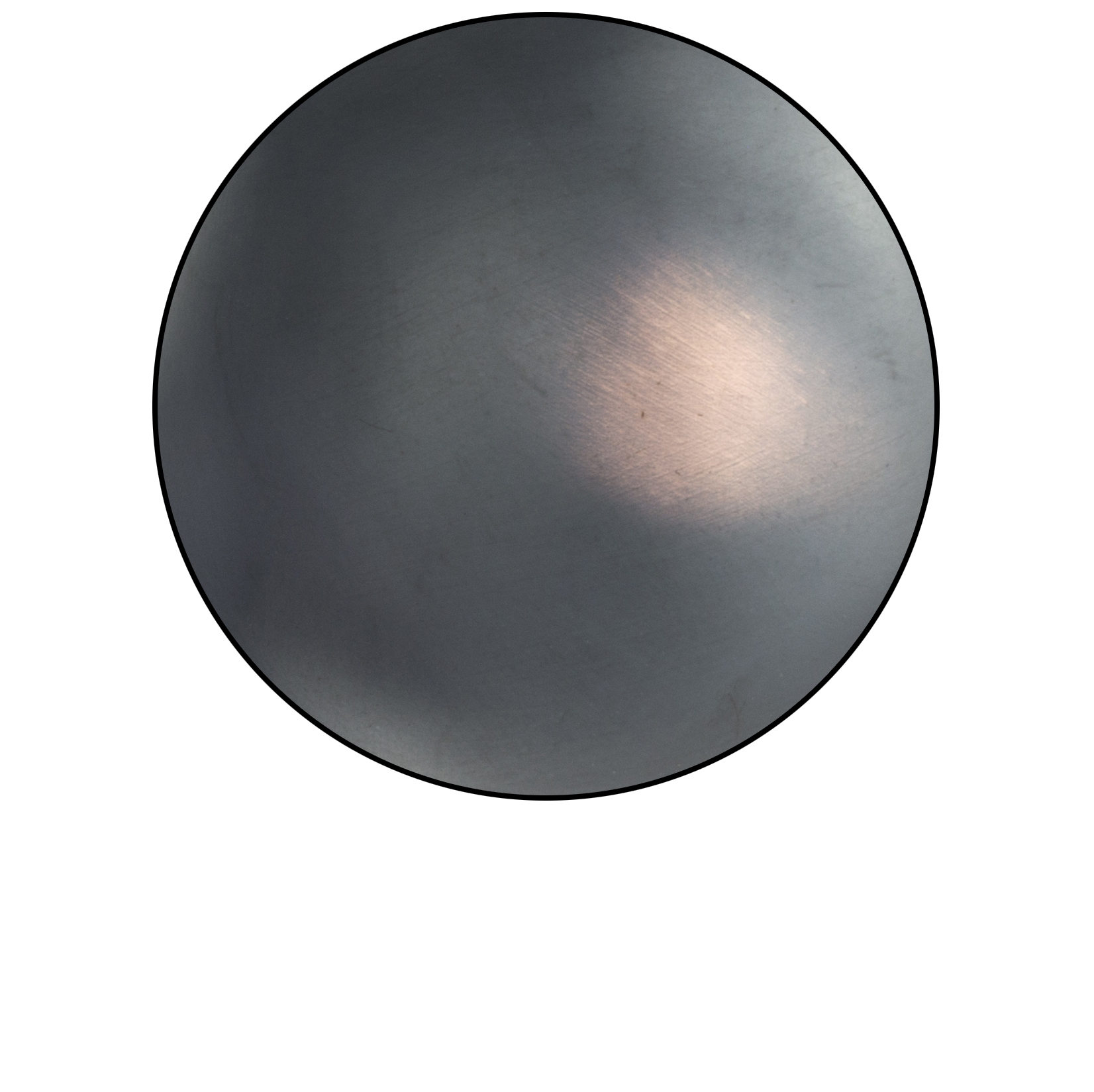 Antique Copper (AC)
 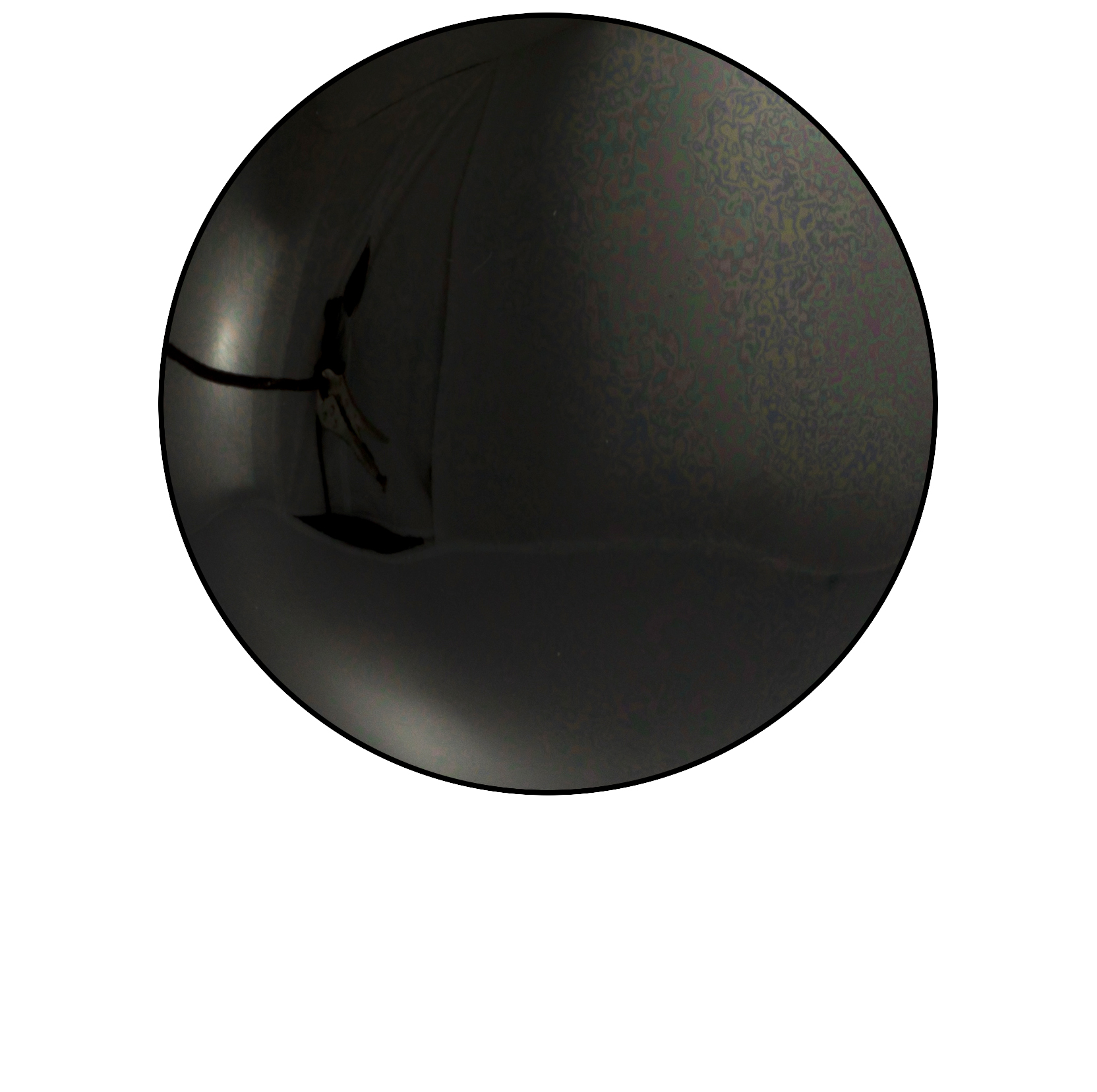 Black Nickel (BN)
 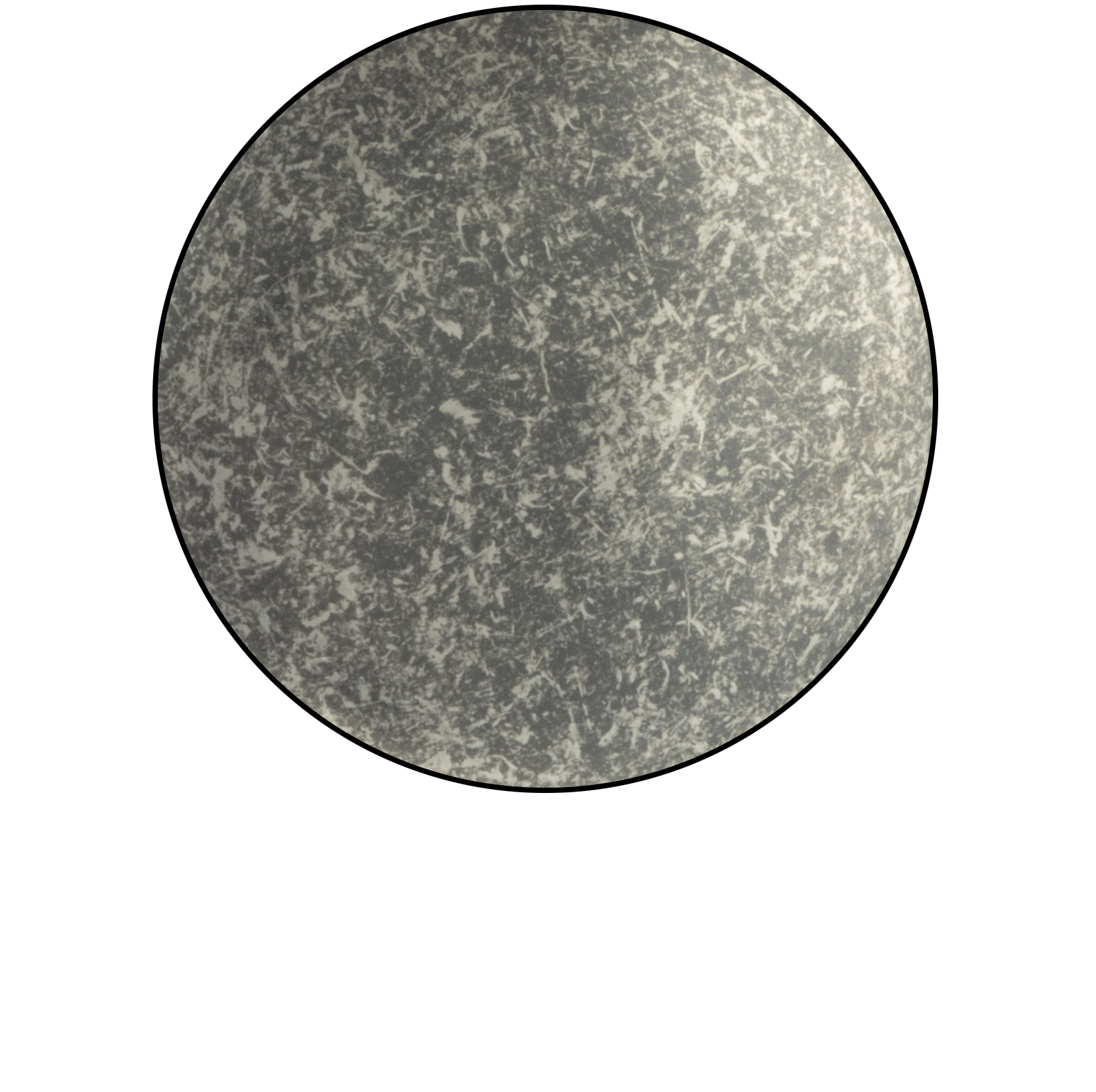 Distressed Silver (DS)
 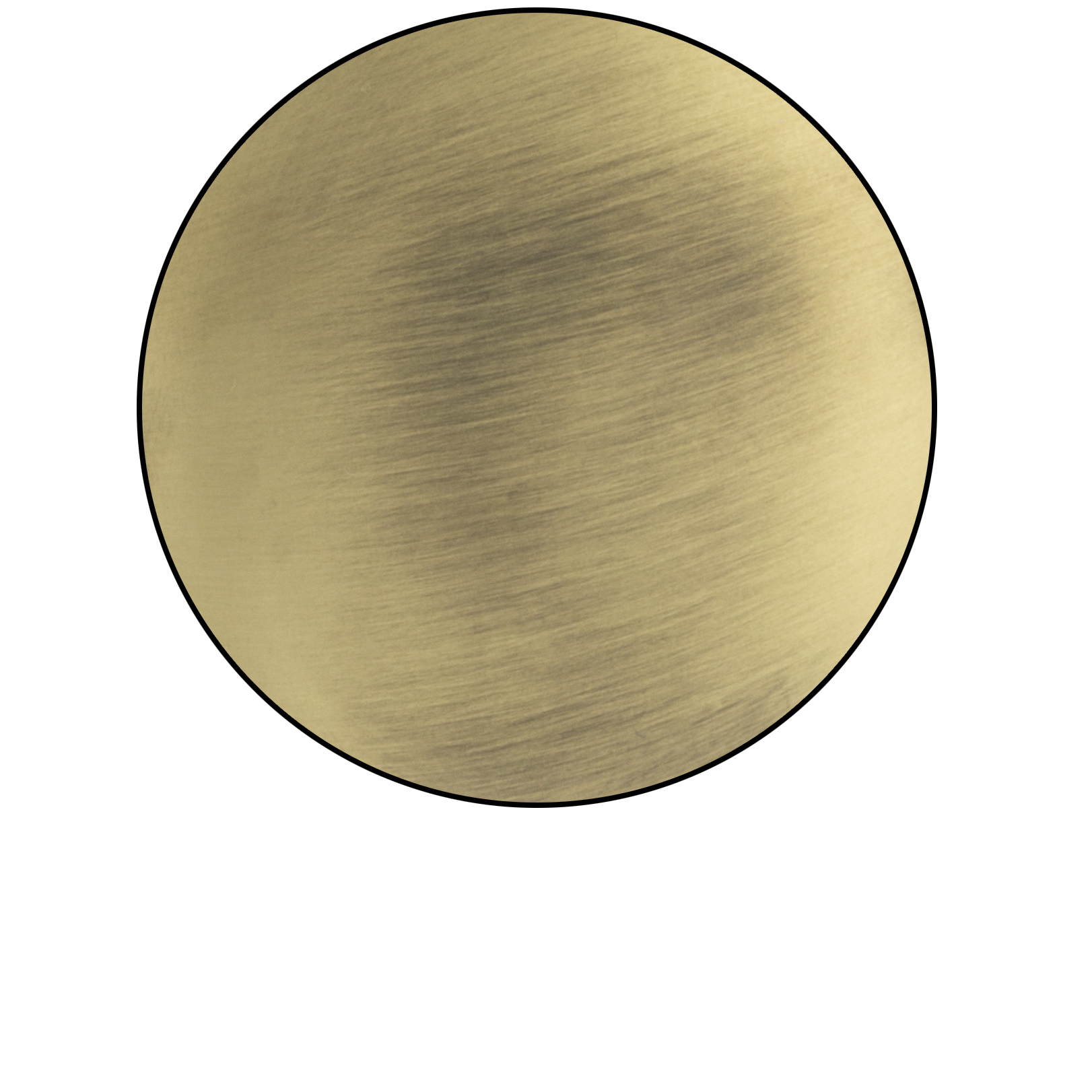 Matt Antique Brass (MAB)
 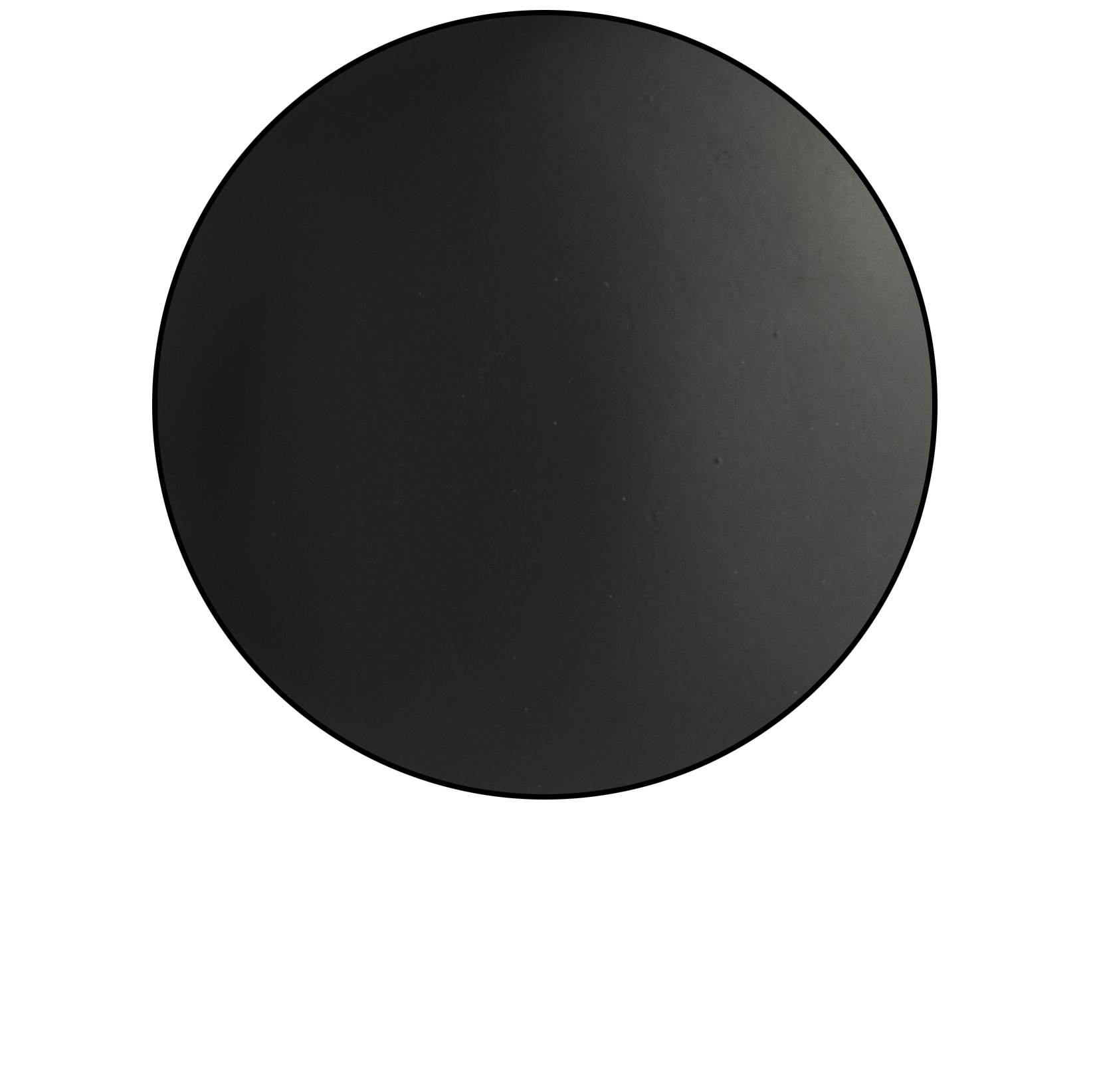 Matt Black (MB)
 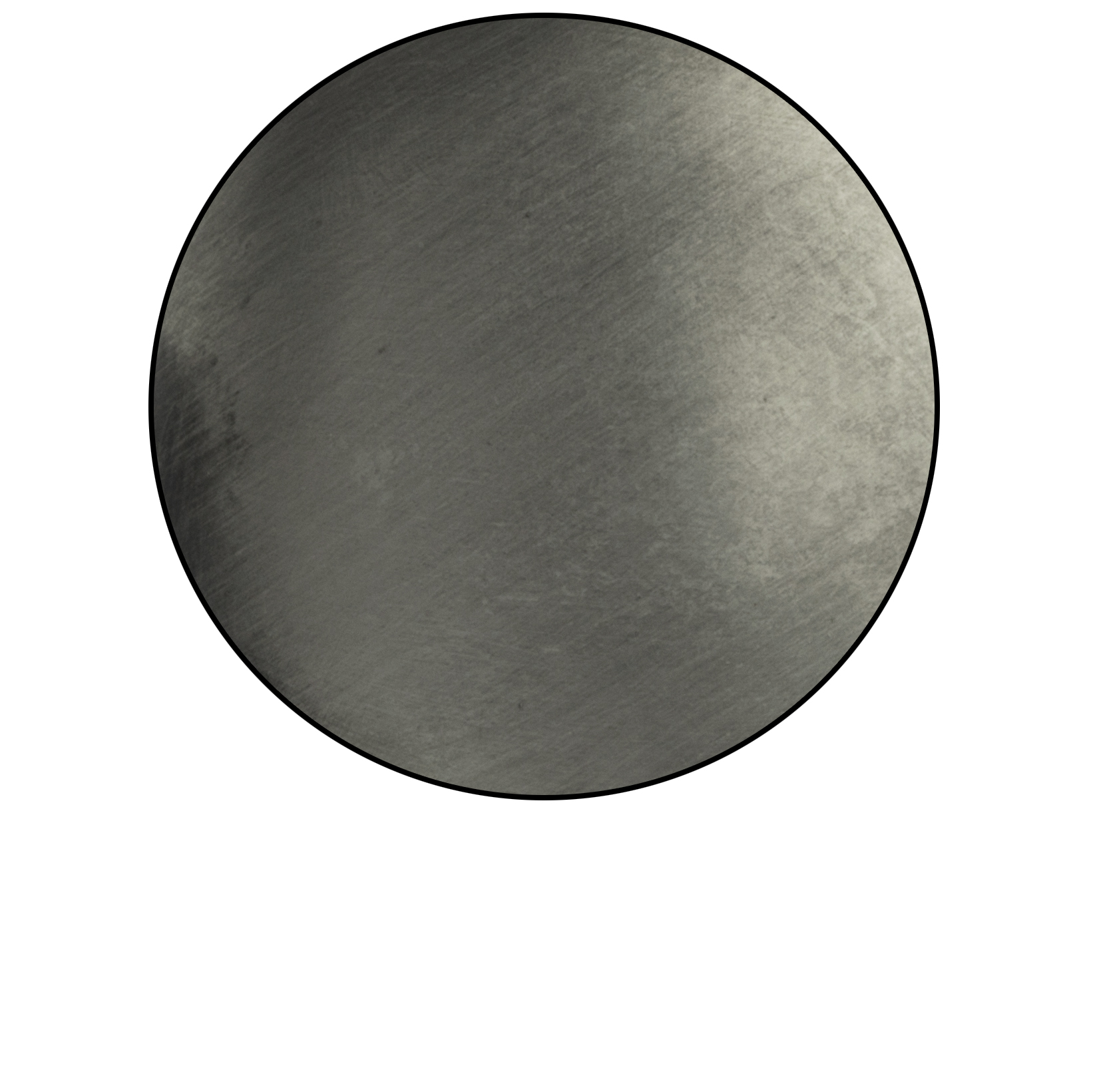 Matt Gun Metal (MBN)
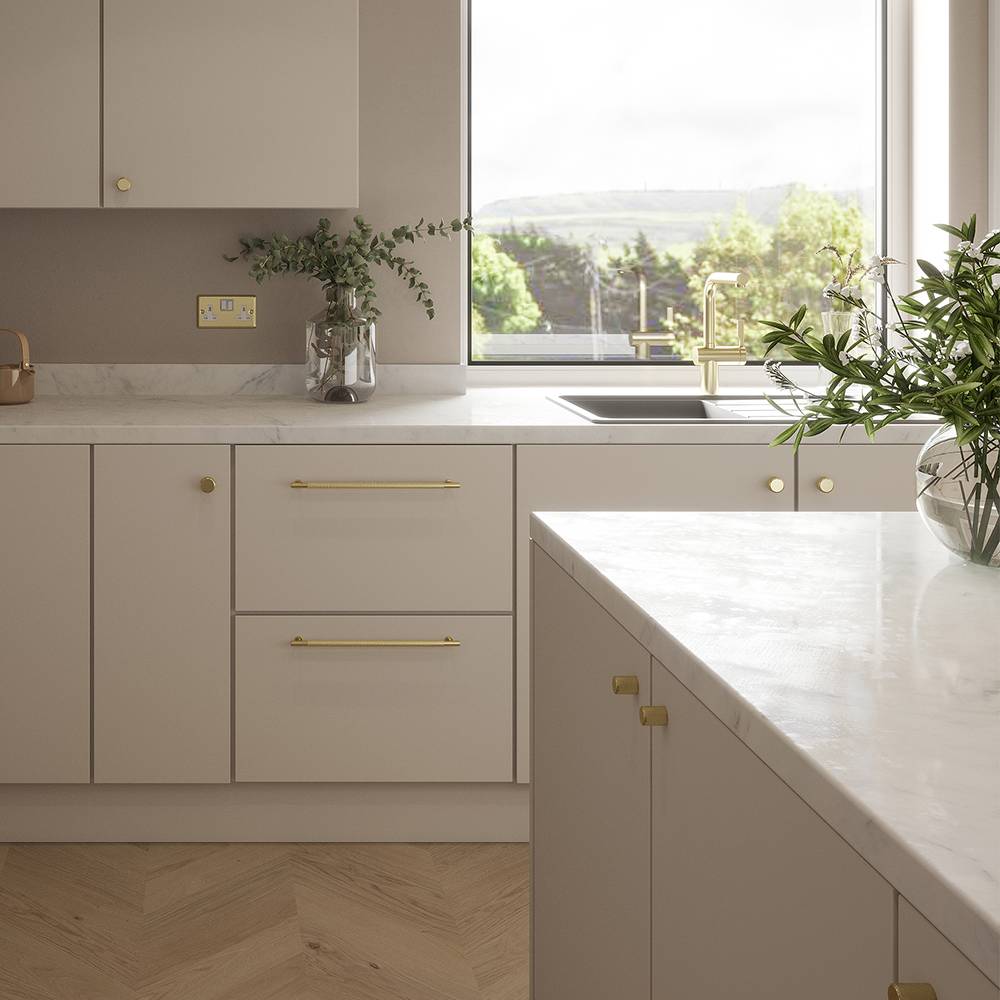
  Polished Brass (PB)
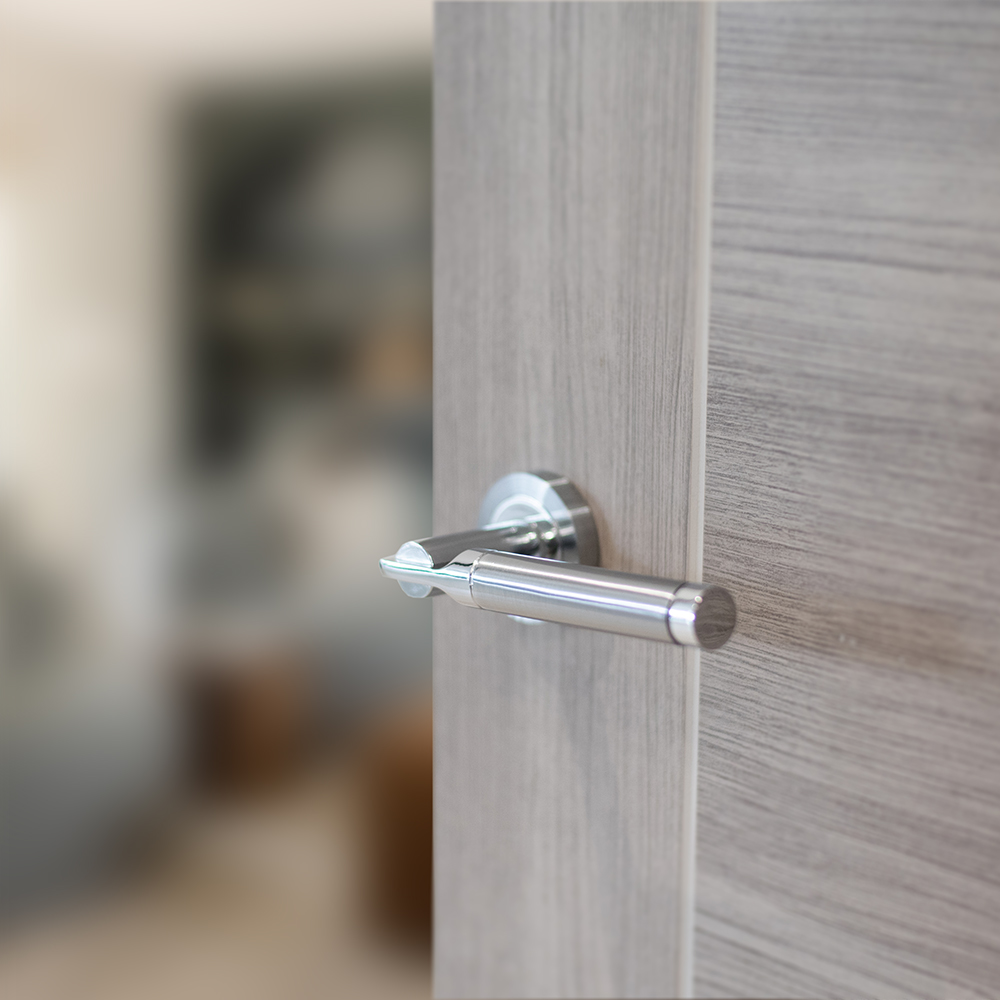
 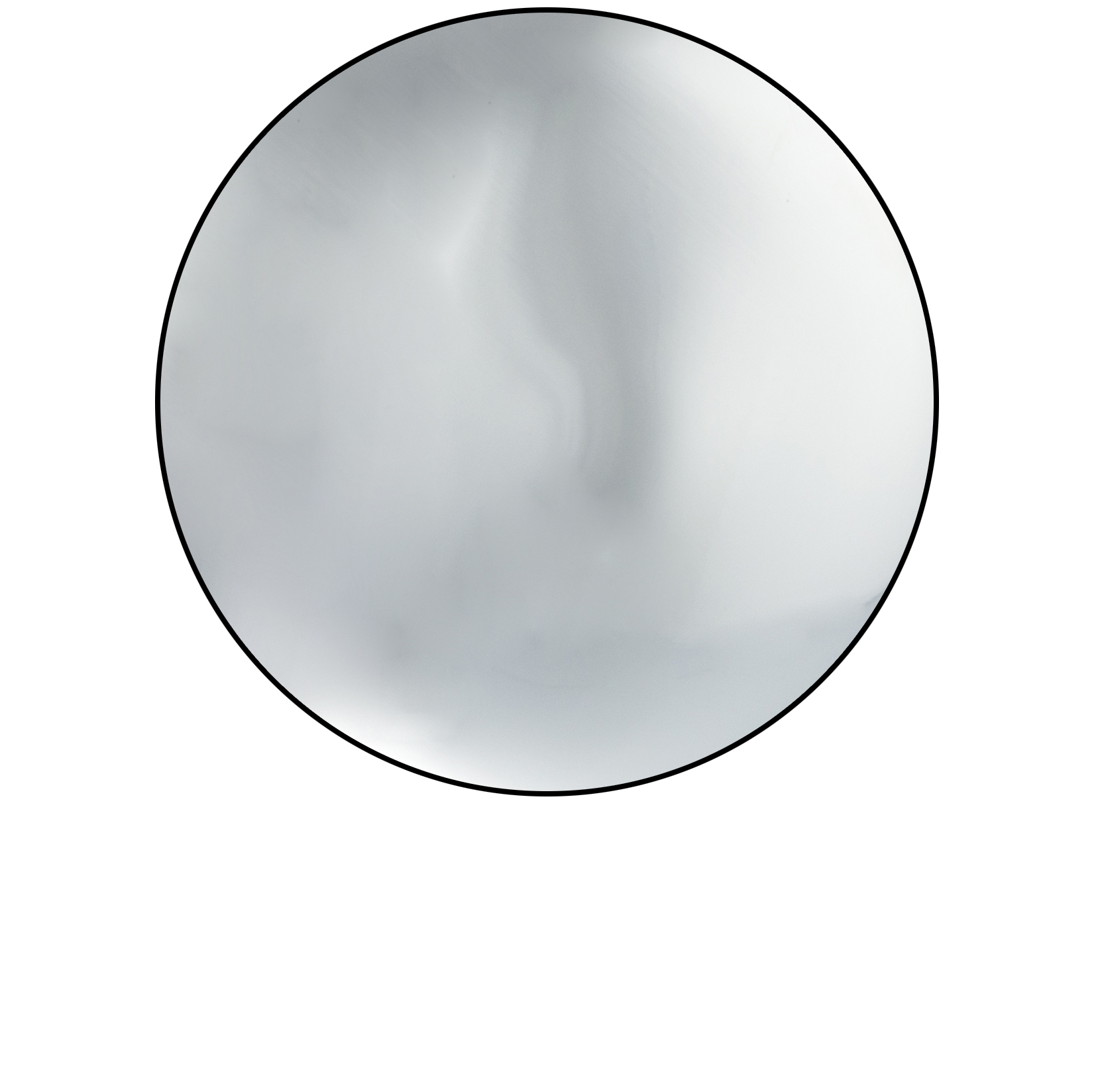 Polished Chrome (PC)
 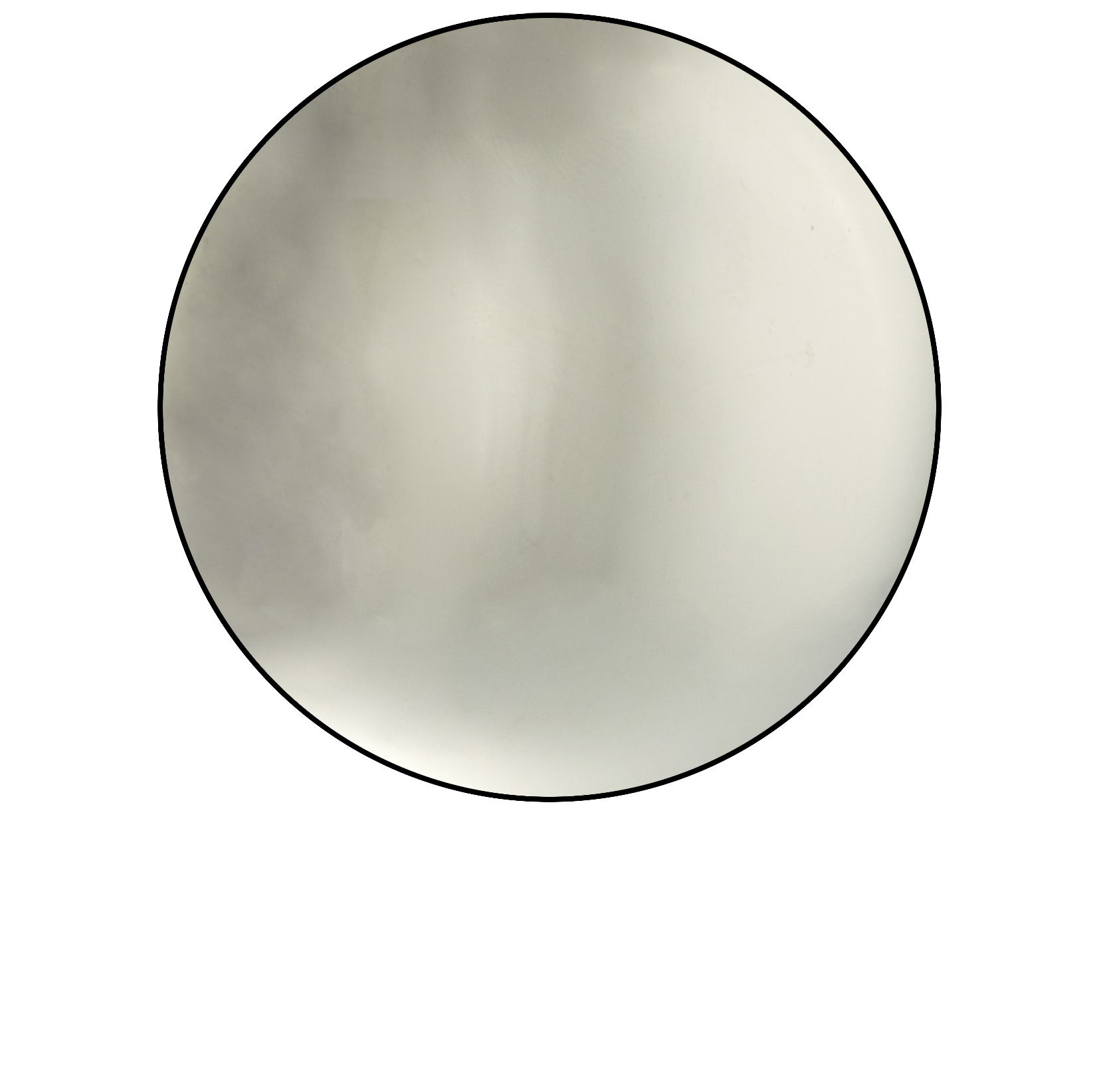 Polished Nickel (PN)
 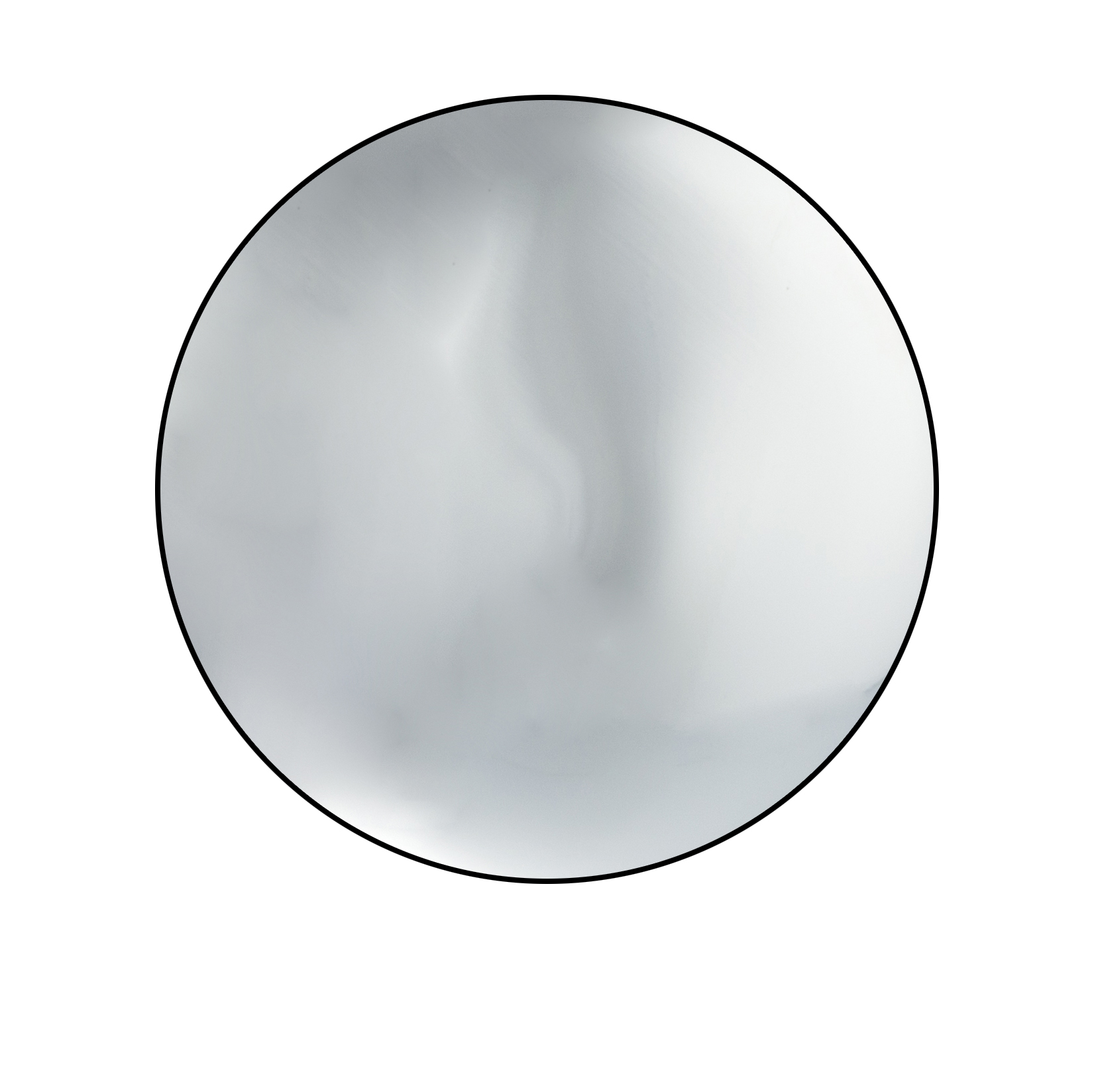 Polished Stainless Steel (PSS)
 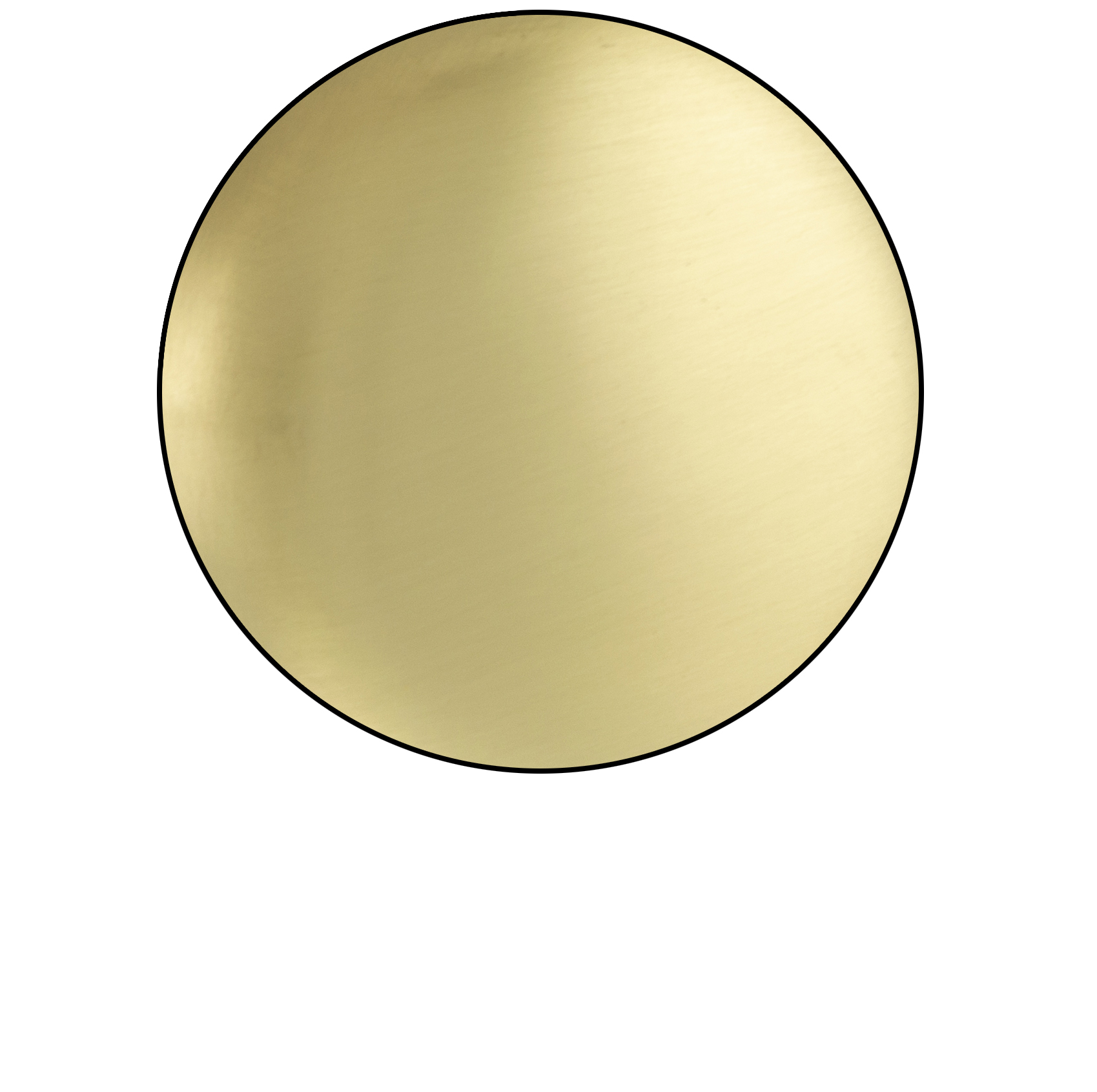 Satin Brass (SB)
 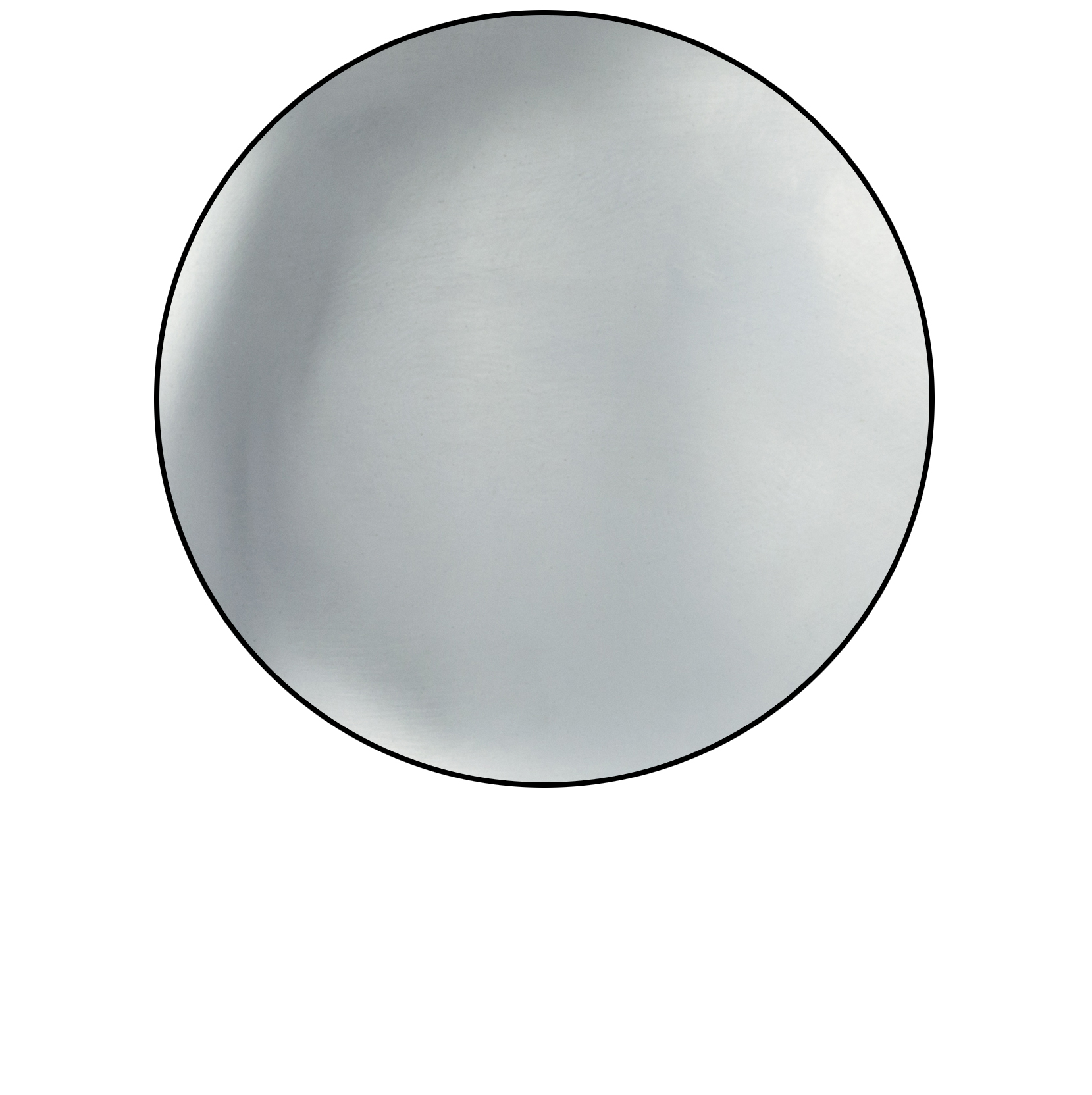 Satin Chrome (SC)
 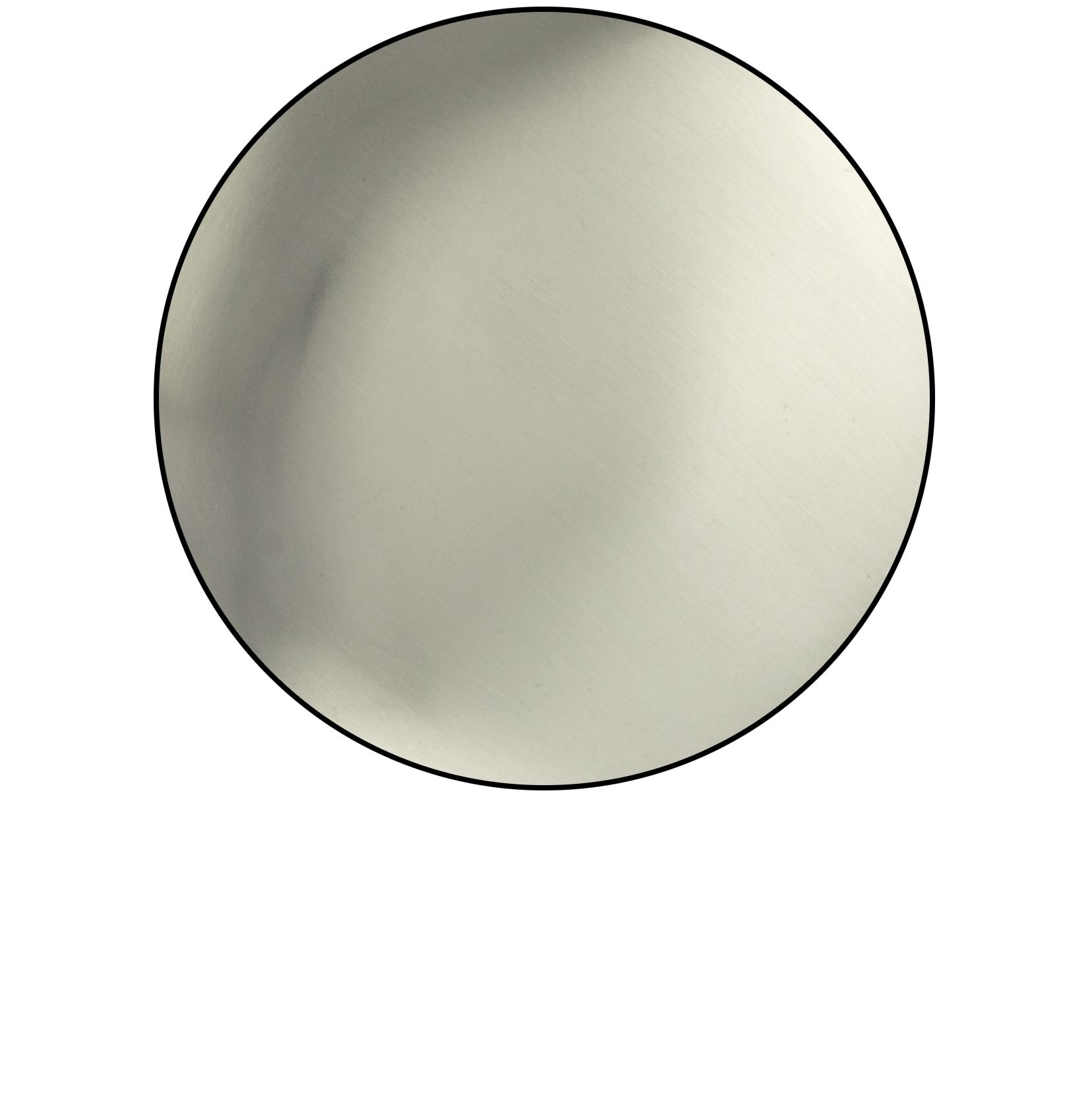 Satin Nickel (SN)
 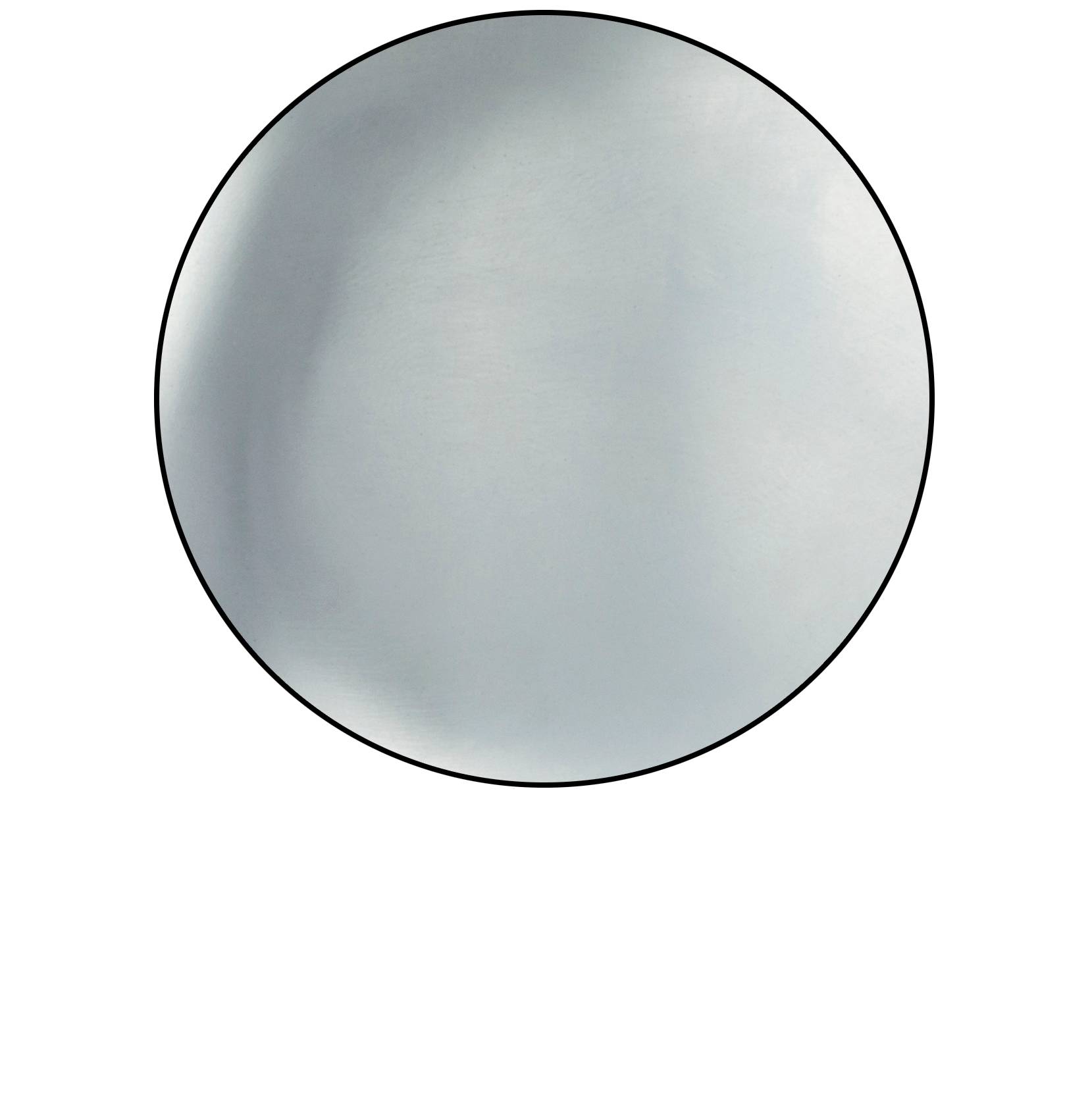 Satin Stainless Steel (SSS)
 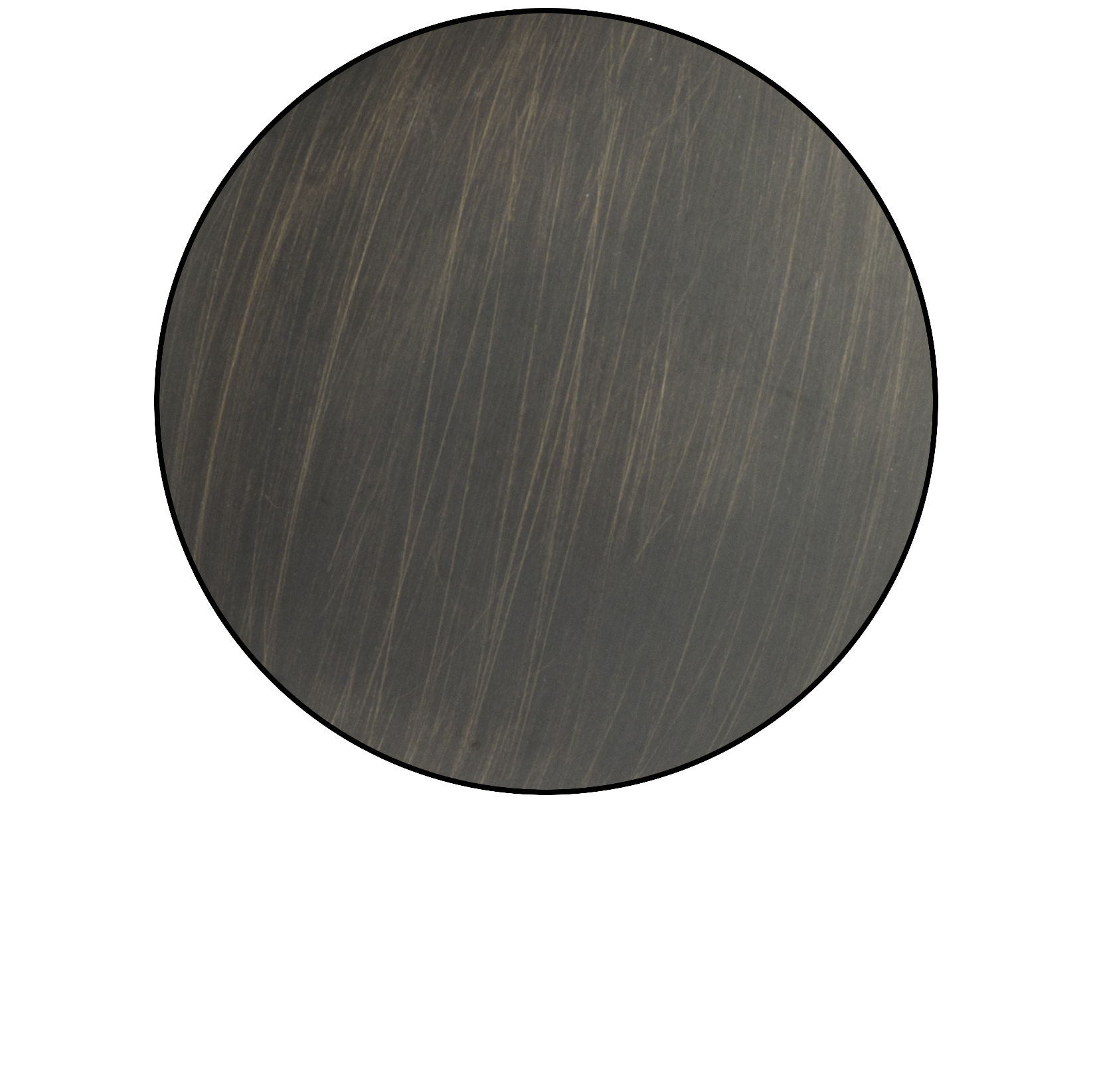 Urban Bronze (UB)
 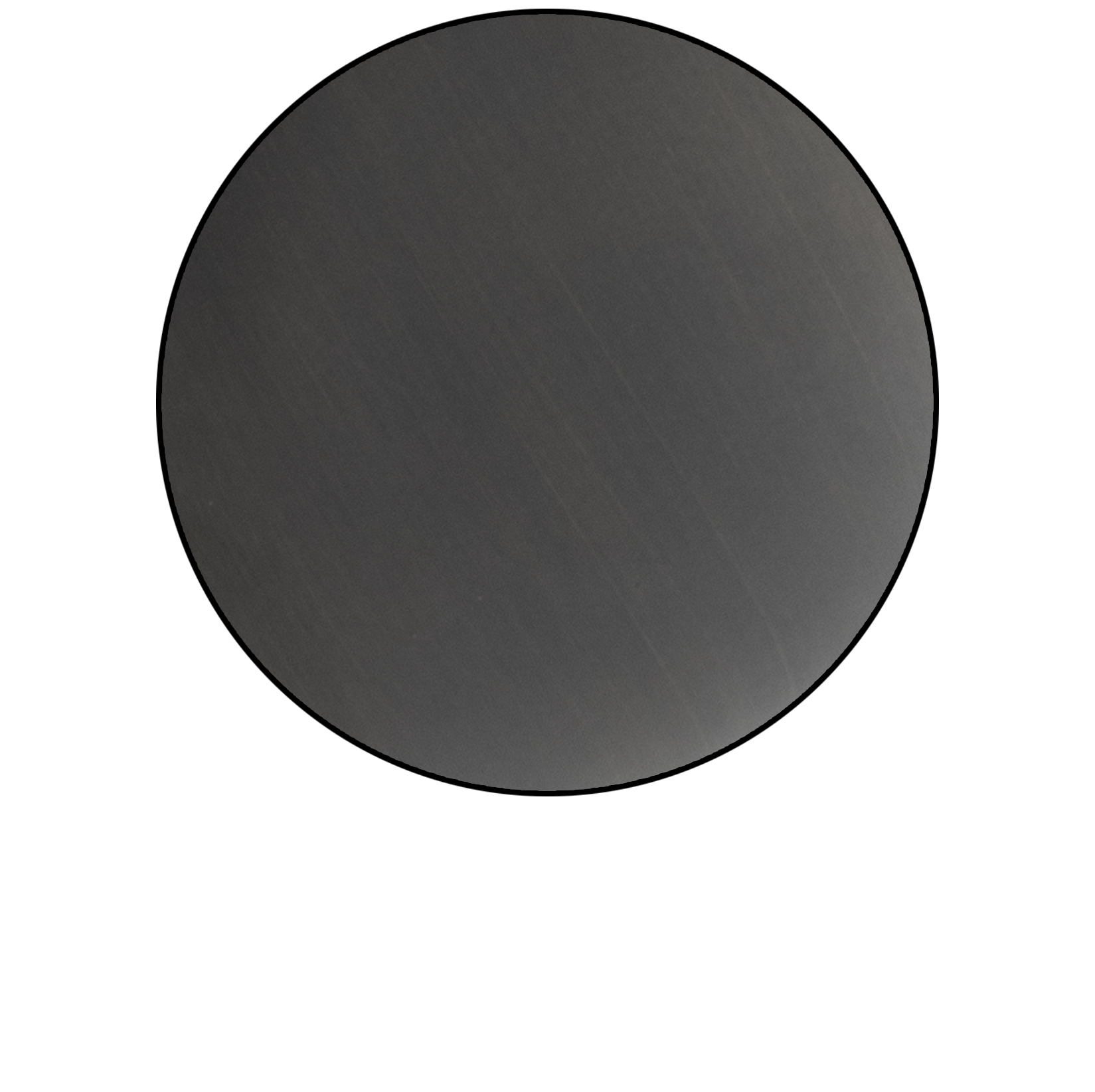 Urban Dark Bronze (UDB)
 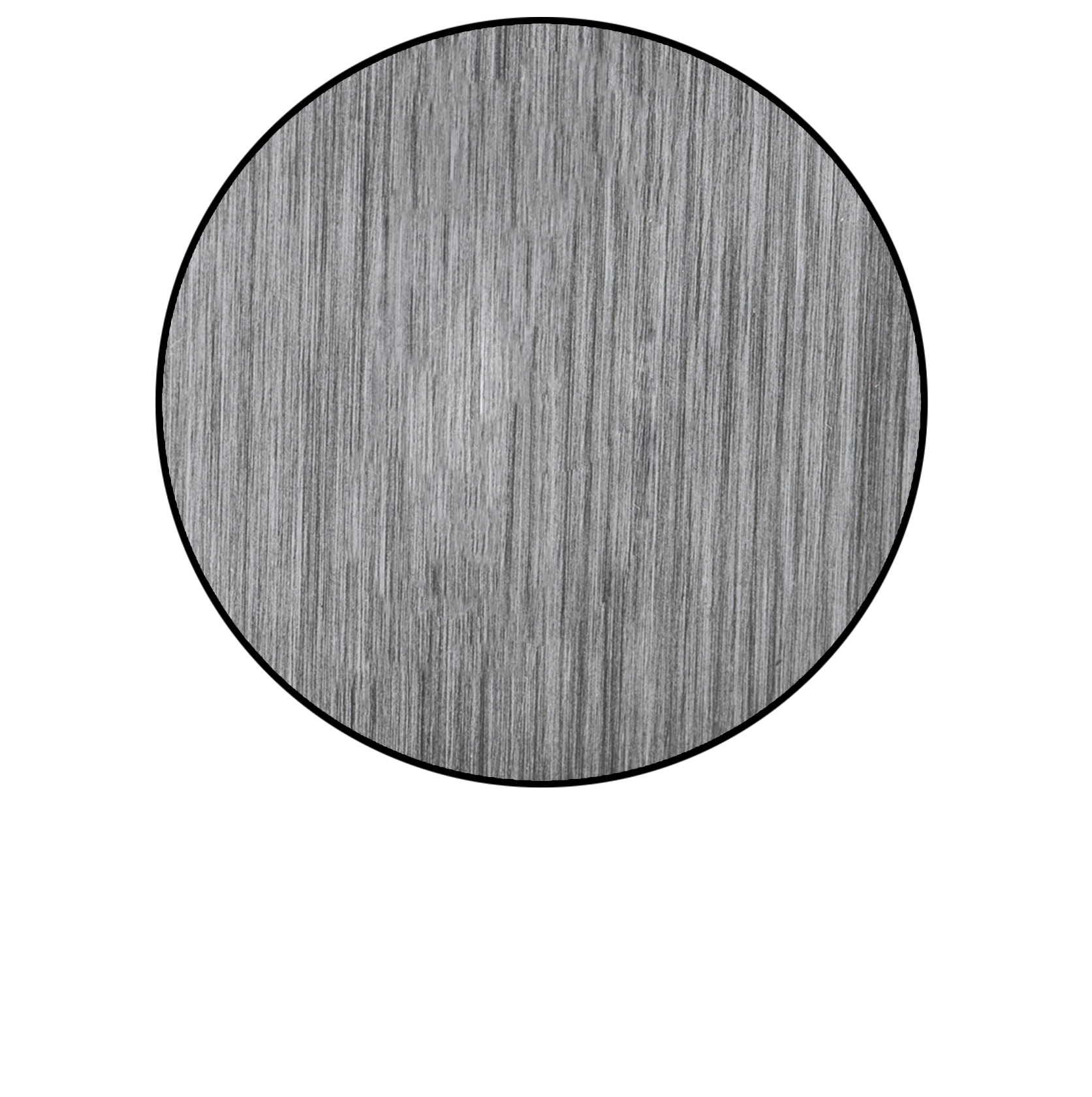 Urban Graphite (UG)
 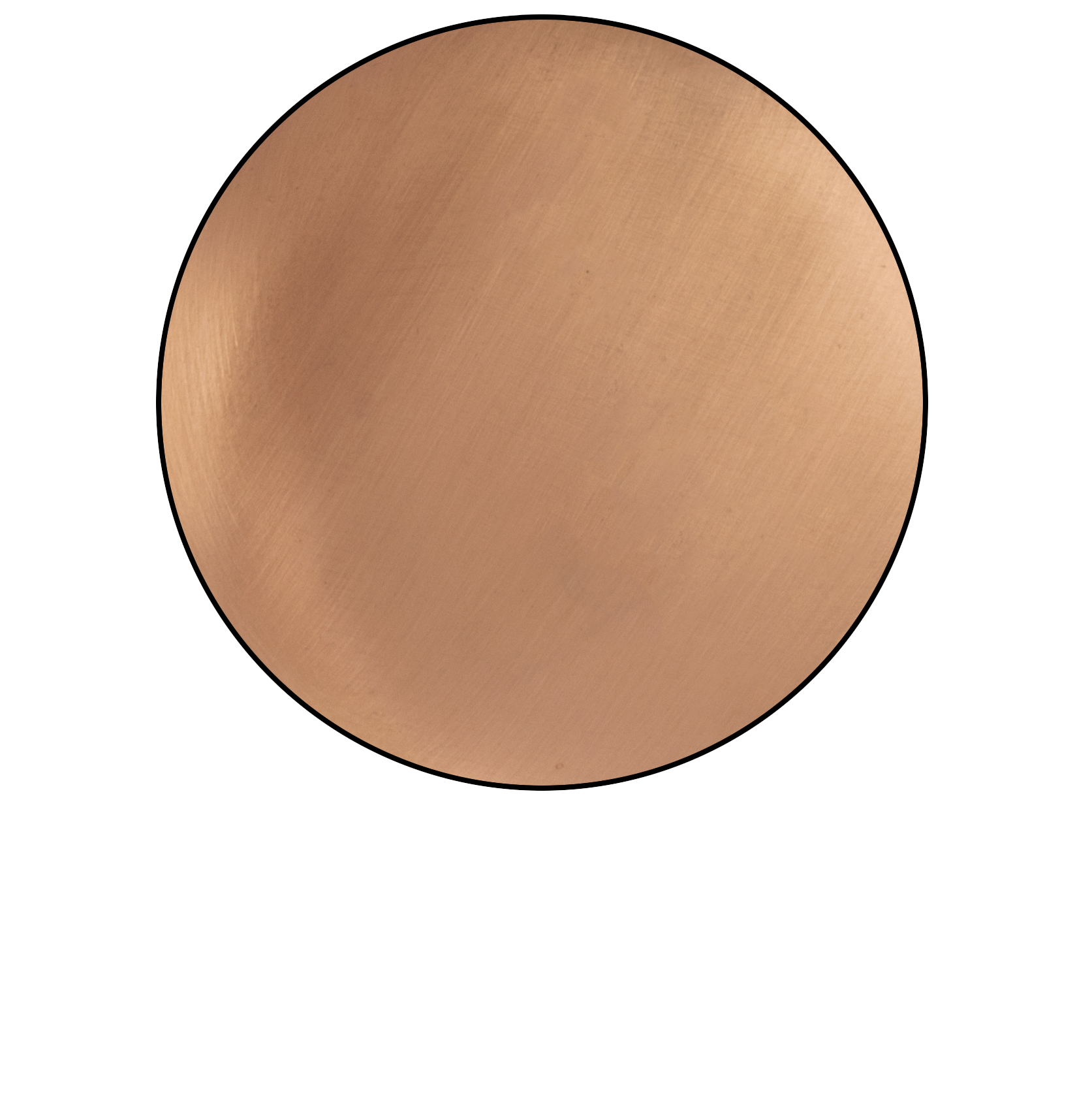 Urban Satin Copper (USC)
 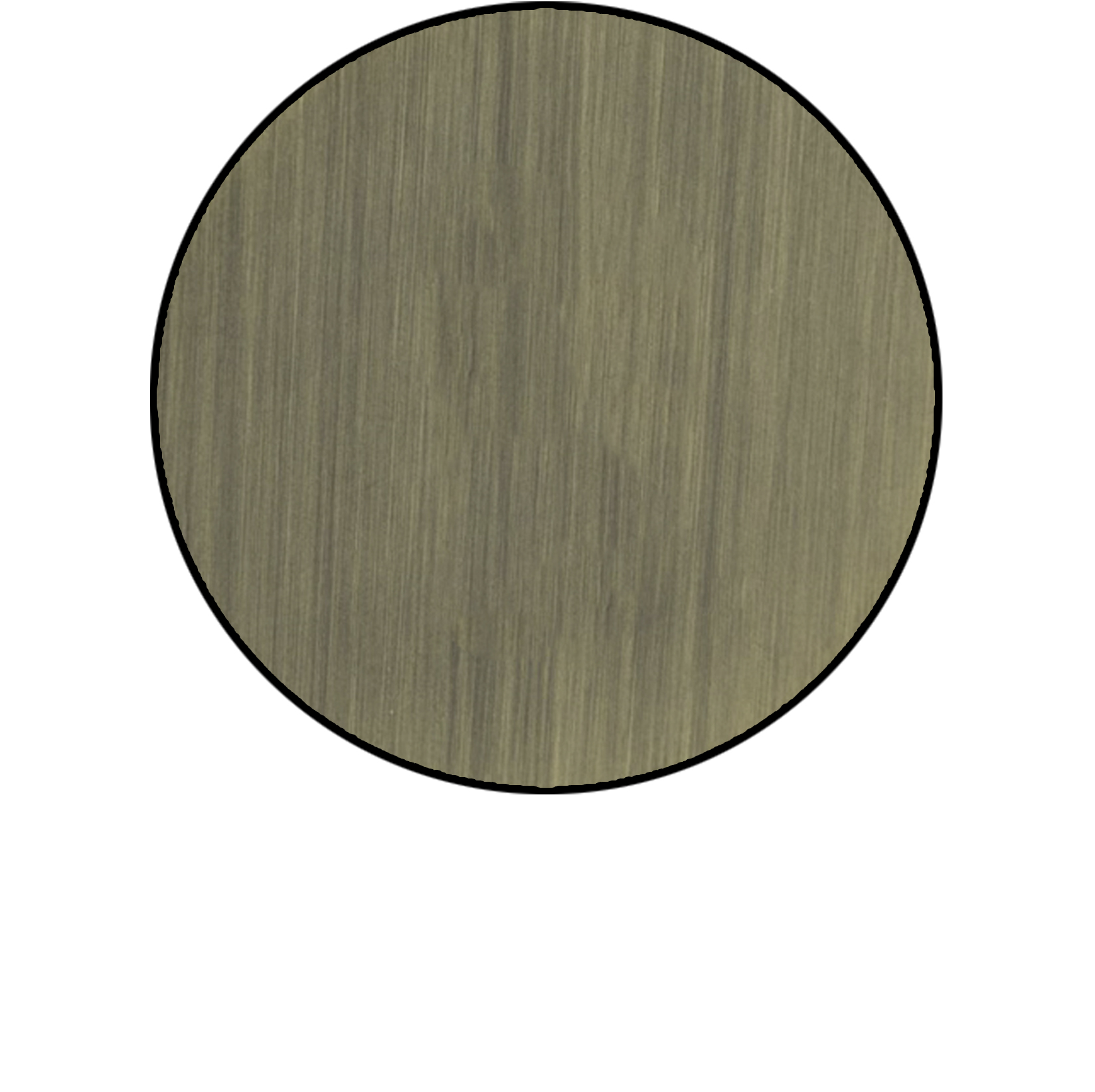 Yester Bronze (YB)
 For over a decade, open-plan living dominated modern home design. Knocking down walls to create light-filled, flowing spaces became the go-to renovation trend. But as lifestyles have shifted, especially in the wake of the Covid-19 pandemic, homeowners are rethinking whether open-plan layouts really work for daily life. Enter the broken-plan living trend – a smarter, more flexible approach that is quickly overtaking open-plan living in popularity.
What Is Broken-Plan Living?
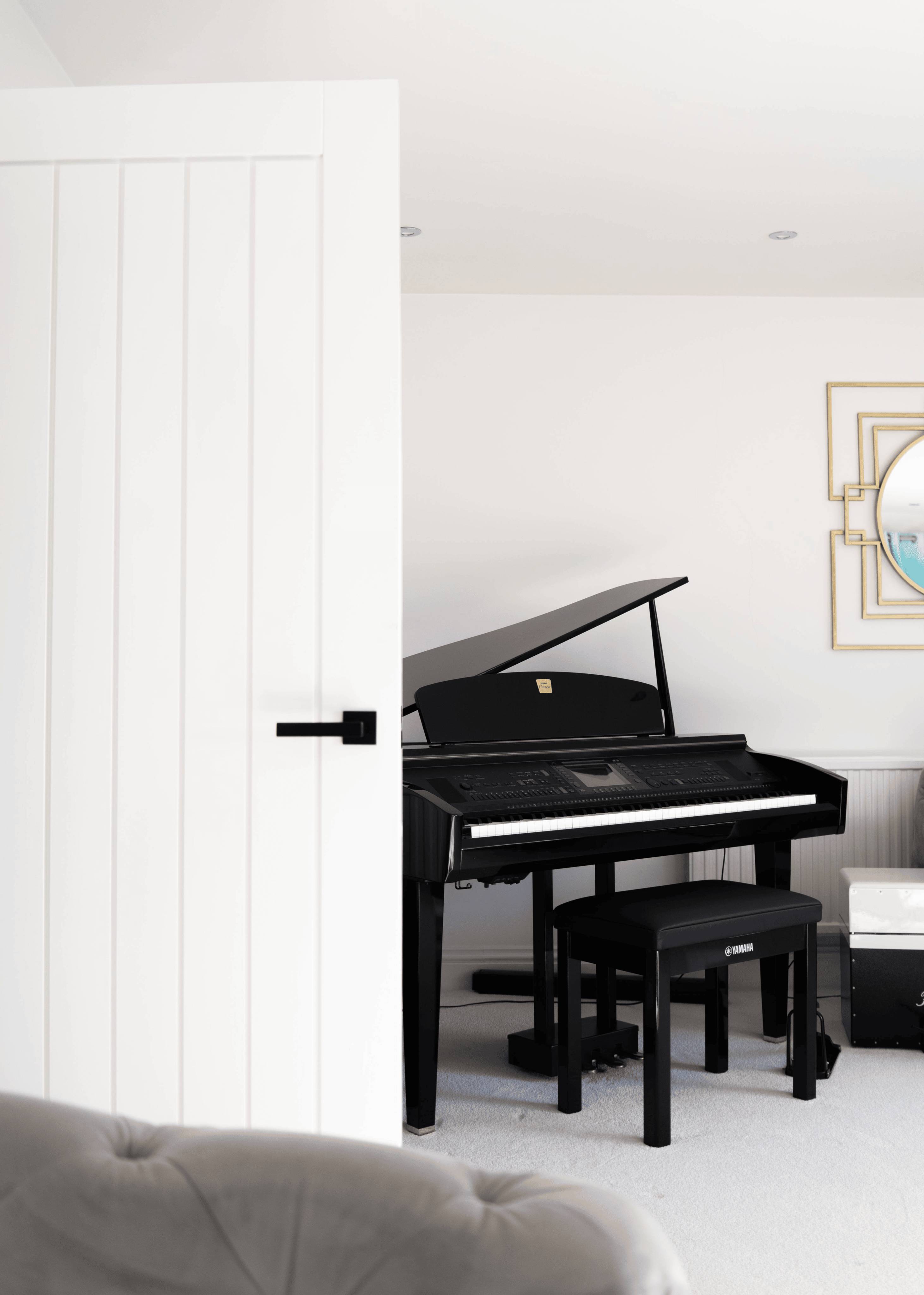
Broken-plan living is a design approach that retains the spacious, airy feel of open-plan layouts while introducing subtle separations between zones. Instead of one large, undivided room, the space is carefully sectioned using pocket doors, partitions, half-walls, shelving, or changes in floor level. This creates distinct areas for living, working, dining, and relaxing without losing the sense of connection and flow.
In other words, broken-plan living gives homeowners the best of both worlds – openness with functionality, privacy with style.
Why Open-Plan Living Fell Out of Favour
The pandemic reshaped the way we live and work at home. Open-plan living, once celebrated for its social and aesthetic benefits, suddenly revealed its flaws:
- Noise & Distraction: With families working and studying from home, one open space meant clashing Teams calls and no quiet corners.
- Lack of Privacy: Open-plan layouts make it difficult to create boundaries, especially for home offices or study areas.
- Heating Inefficiency: Larger, unbroken spaces are harder (and more expensive) to heat – an increasing concern with rising energy costs.
- Lifestyle Shift: More people want flexible spaces that can adapt to different uses throughout the day.
These challenges sparked a surge in demand for broken-plan solutions that balance connection with separation.
The Post-Covid Shift: Why Broken-Plan Works
As remote and hybrid work models become the norm, homeowners now need layouts that support work-life balance. Broken-plan living offers:
- Dedicated Workspaces: Easy integration of home offices or study nooks without major extensions.
- Better Acoustics: Partitions and doors reduce sound transfer, making remote meetings more manageable.
- Energy Efficiency: Zoned heating is more practical when spaces are divided.
- Flexible Living: Moveable partitions and sliding doors allow spaces to open up or close off as needed.
This adaptability makes broken-plan living the clear winner for the modern home.
How to Achieve a Broken-Plan Layout
Homeowners can introduce broken-plan living in several ways:
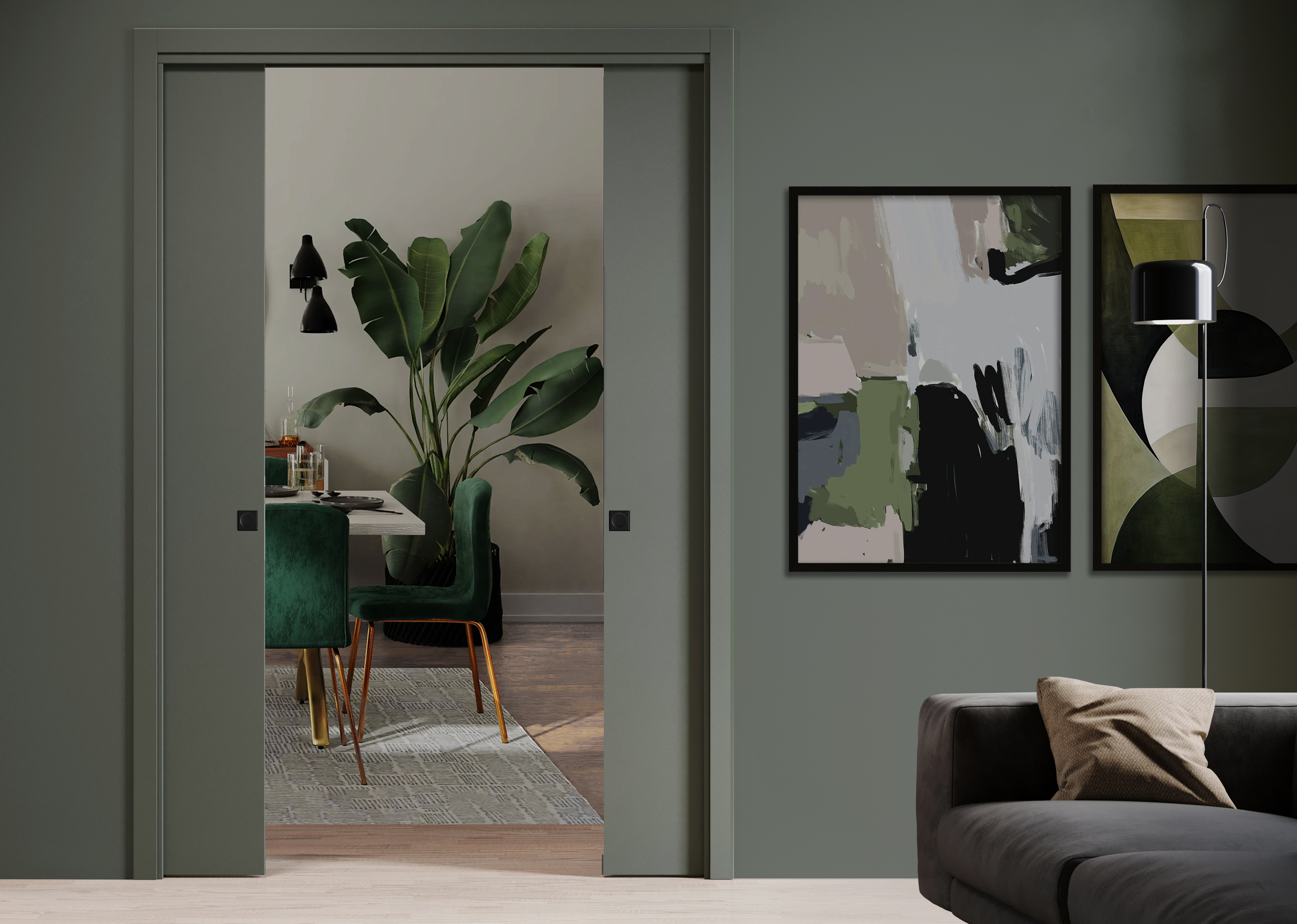
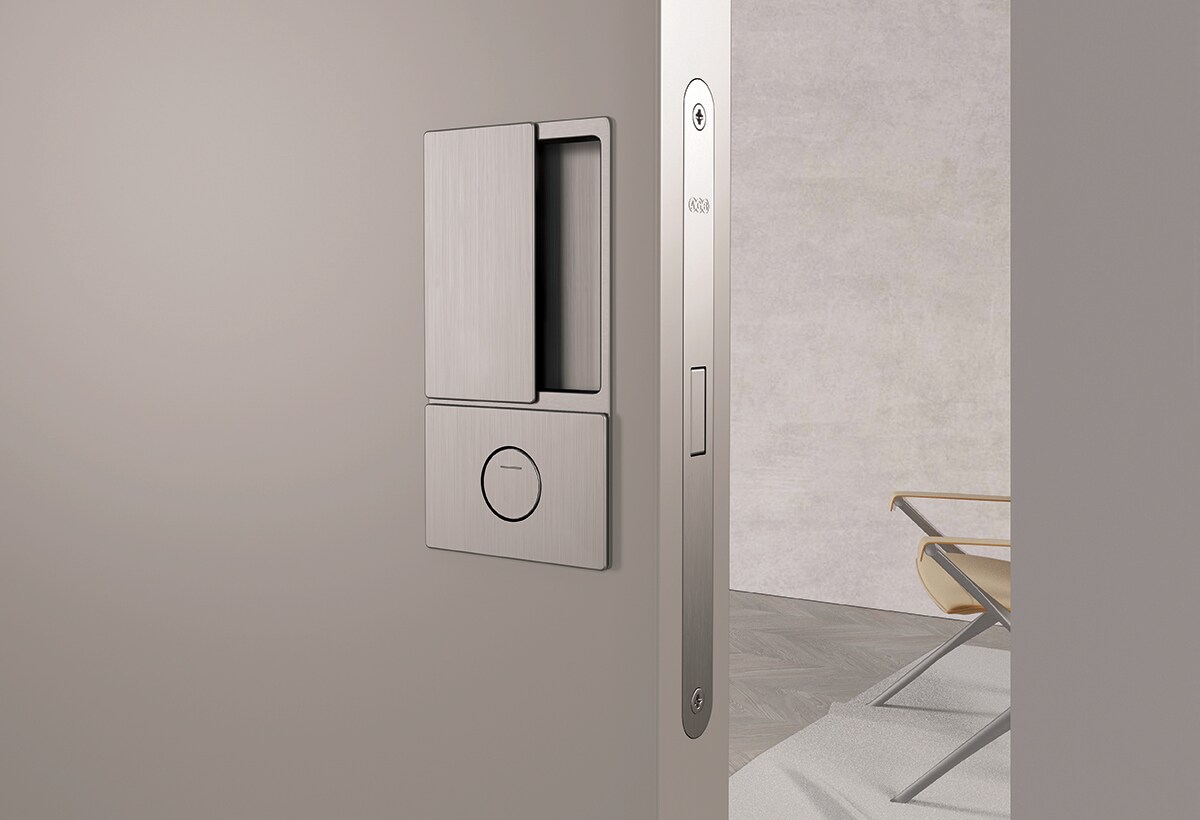
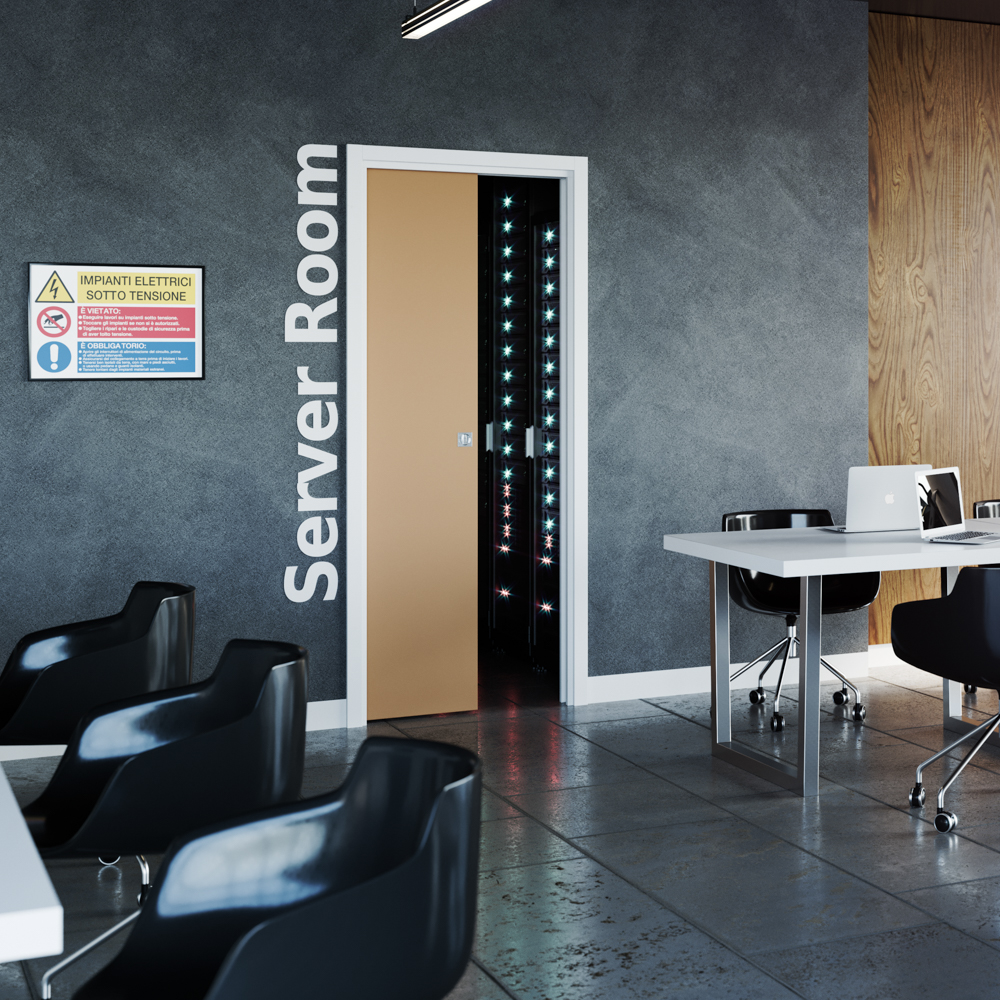
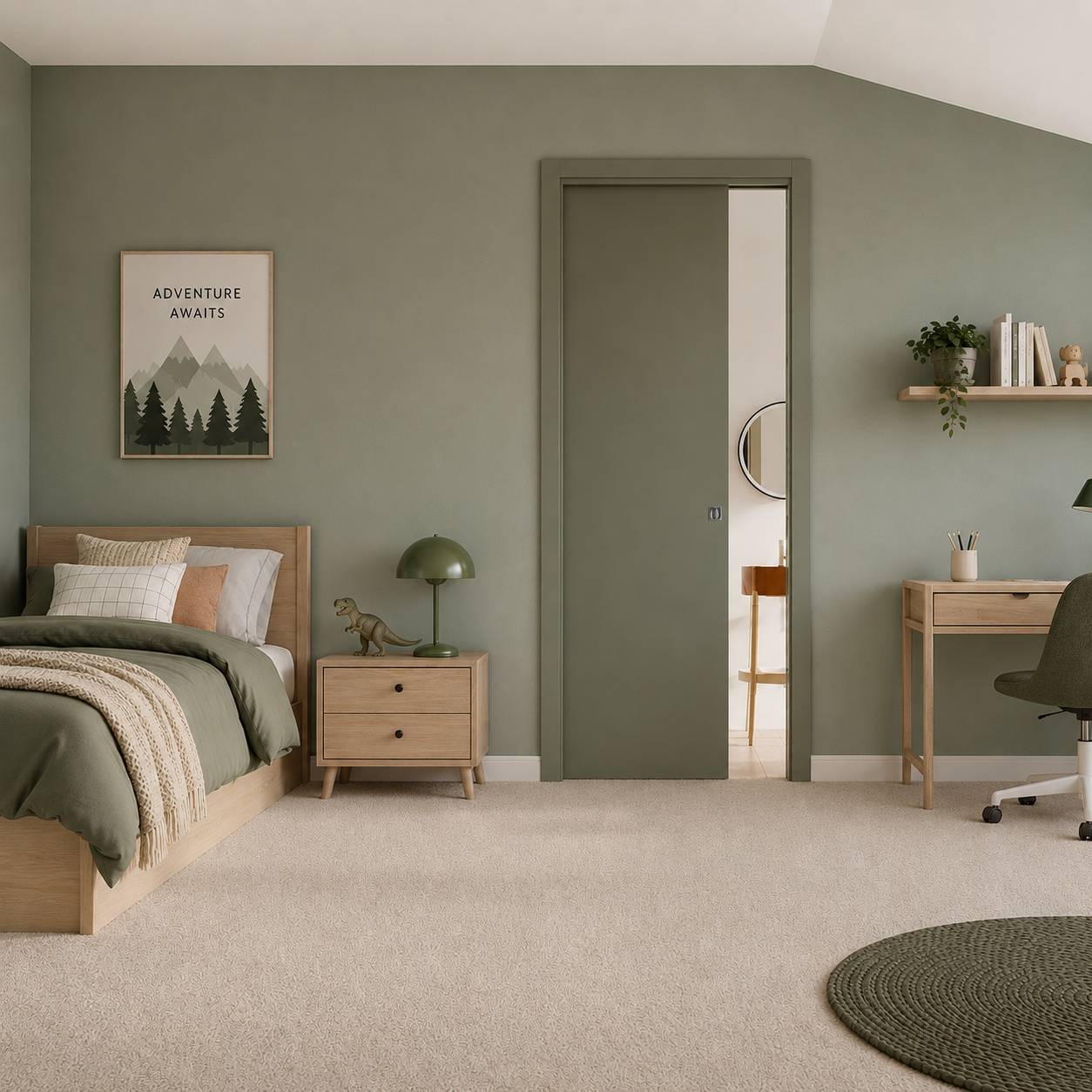
- Pocket Doors & Sliding Partitions: Perfect for creating flexible divisions while saving space.
- Glass Walls & Internal Screens: Preserve natural light while subtly zoning areas.
- Floor Level Changes: A sunken lounge or raised dining area naturally separates spaces.
- Furniture & Shelving: Open shelving units or corner sofas can define zones without walls.
- Colour & Lighting Schemes: Use different tones or lighting to visually distinguish areas.
These solutions make it easy to retrofit broken-plan layouts into existing homes without major structural work.
Broken-Plan Living: The Future of Home Design
As we continue to adapt to hybrid lifestyles, broken-plan living is proving more practical and desirable than its open-plan predecessor. It recognises that homes today aren’t just for relaxing—they are multi-functional hubs where we work, learn, socialise, and recharge.
By striking the right balance between open flow and defined zones, broken-plan living delivers both style and functionality. It’s no surprise that this post-Covid home design trend is overtaking open-plan living as the preferred choice for modern families.
Interested in pocket doors as a solution? Explore our Ermetika Evokit collection here.
Watch some of our videos on the Ermetika range here.